Wadi Rum Expedition, part 1
Flag 97 · 15 to 31 May 2023
A May 2023 study of sand dunes in Wadi Rum that measured dune dimensions and winds, recorded rare khamsin windstorms and produced a place-name map using Bedouin names.
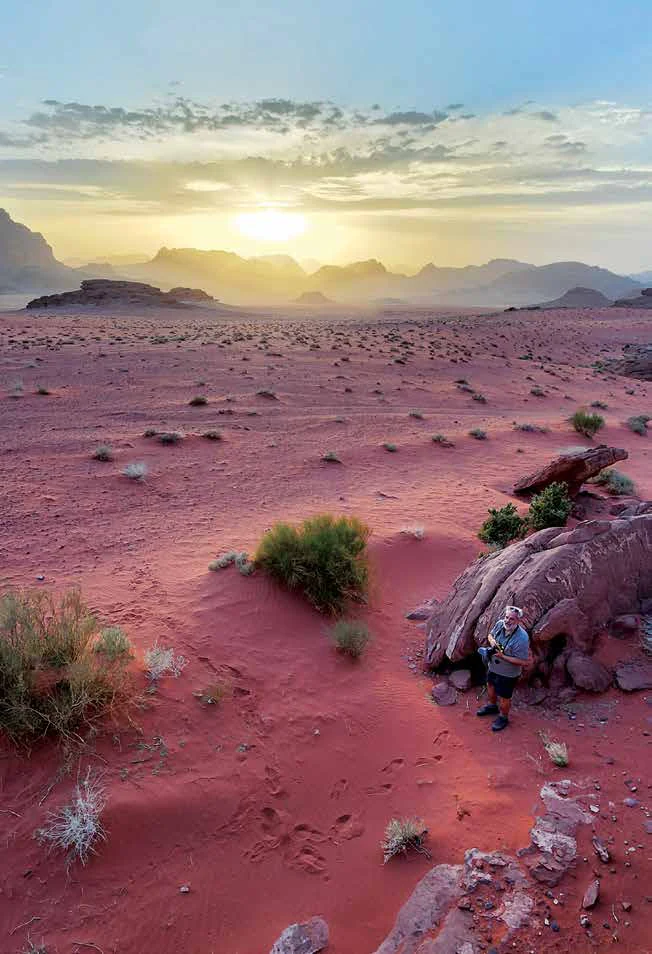
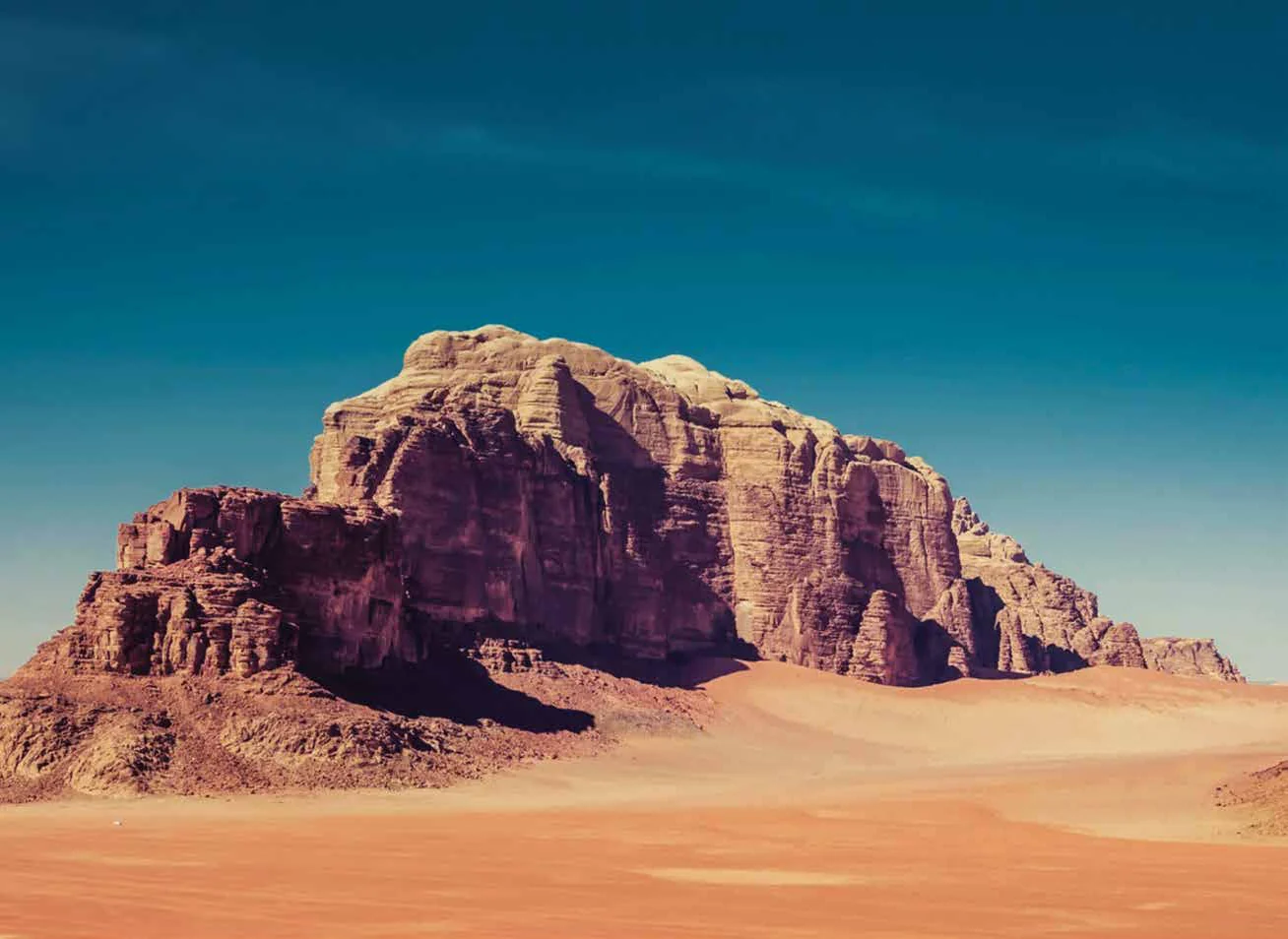
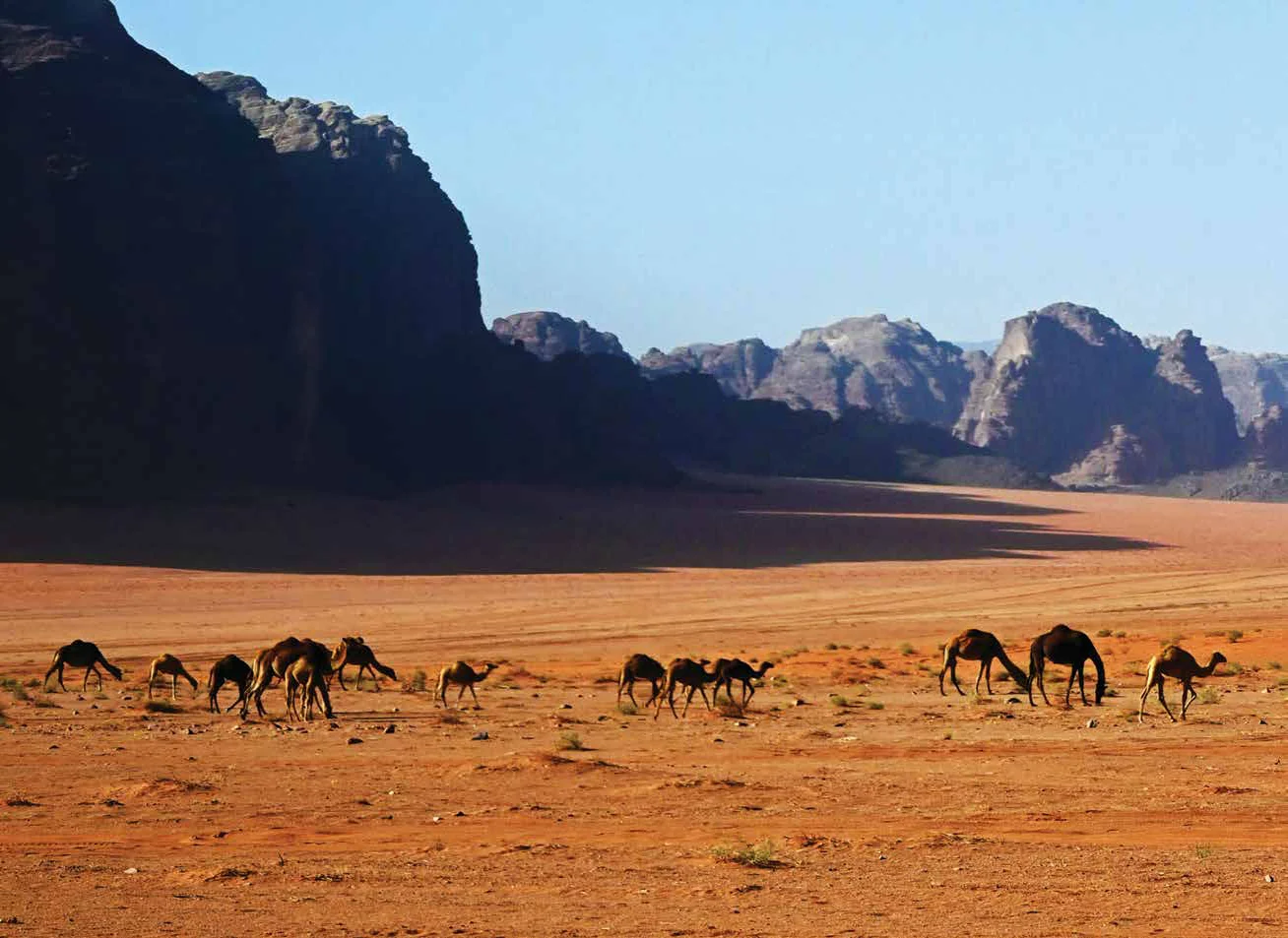
Thomas Paradise reports that the Wadi Rum expedition, in the southern desert of Jordan and Saudi Arabia, set out to examine how sand dunes vary from a few metres across to mega-dunes measured in kilometres. As global climate shifts, he says, it is increasingly important to find natural surrogates for studying change.
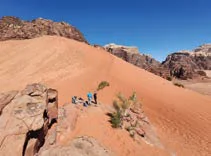
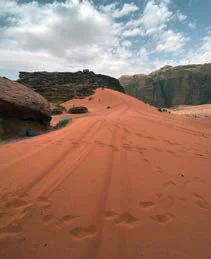
The team surveyed dune dimensions, micro-meteorology such as wind speed and humidity, and the dunes' settings including aspect and elevation, to build baseline research on dune origins, shape and Bedouin oral histories of the dunes. By combining satellite imagery with checks on the ground, it completed what the Log calls the first high-resolution map of the region using Bedouin and local place-names.
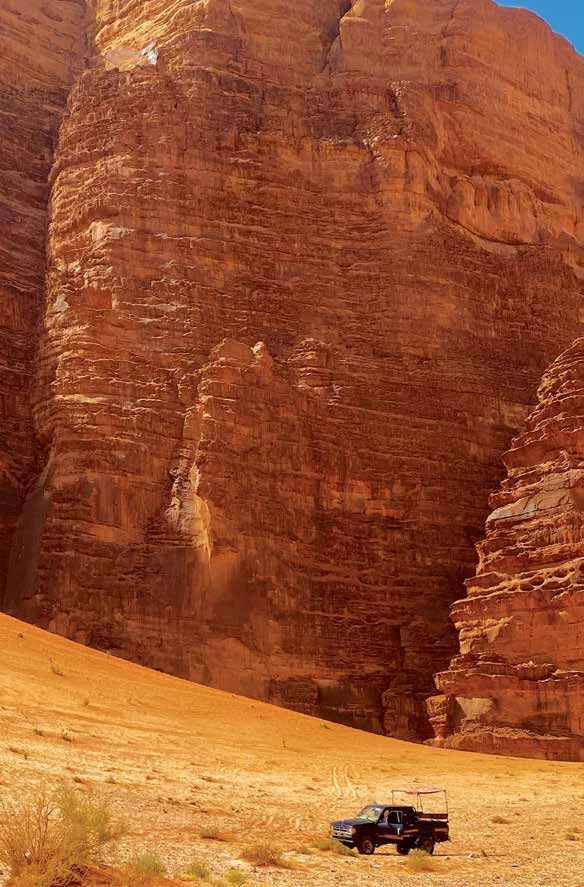
Walking the dunefields with equipment was hard, so the team used Bedouin trucks running on deflated tyres, whose drivers also proved invaluable for their local knowledge and for finding the chosen dunes.
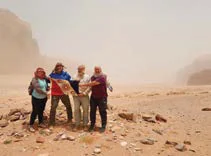
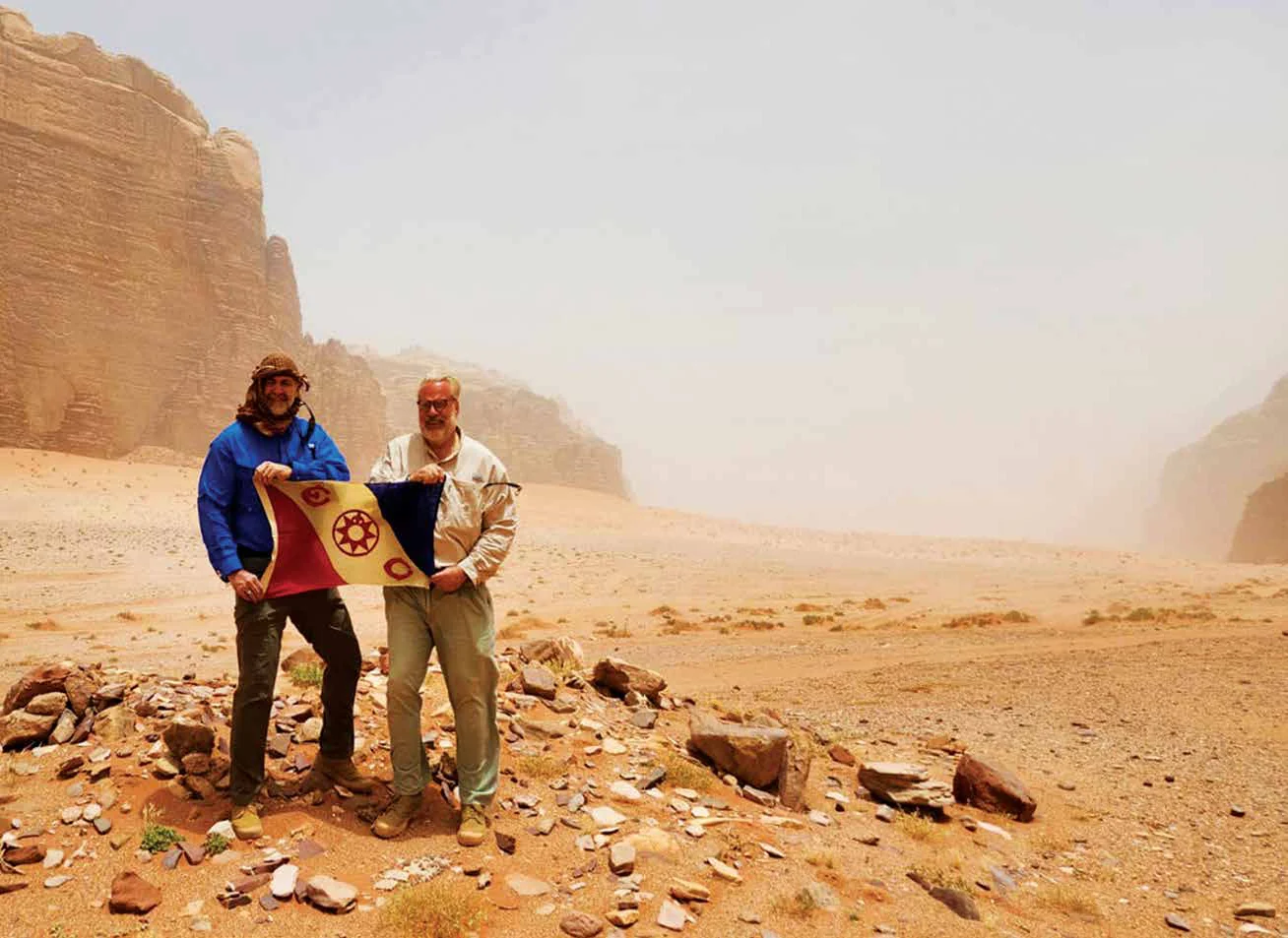
The team was lucky to experience and record the khamsin, a roaring windstorm of the spring season, and measured sustained speeds of about 65 kph with bursts above about 90 kph in one day, along with its power to move dunes within hours. Paradise says this challenges the usual view that dune size and orientation follow the prevailing northwest winds. In Wadi Rum the few days a year of south-westerly khamsin winds may matter more. The team plans to return in May 2024 to climb and collect more dune data and hopes to meet the khamsin again.
People
- Thomas Paradise, PhD · FN'17 · Expedition leader
- Kaelin Groom · Expedition member
- Michael Wyrick · Expedition member and photographer
- Case Allen · Expedition member
Places
- Wadi Rum, southern Jordan — The Log says the work covered the southern desert of Jordan and Saudi Arabia; only Wadi Rum is placed here.
Source notes
The article is headed part 1; a later part is promised through the 2024 return. The flag list on the issue's flag pages prints Flag 97 against another expedition as well. The roles of Groom, Wyrick and Allen are not stated beyond the caption naming them as members. The Fall 2024 Journal separately reports the completed spring 2024 return at Bint Brashaman, which has its own record.
Sources
- The Explorers Log, Fall 2023, p. 27 · Flag Expeditions: Return of Flag Nº 97
Paradise reports the May 2023 Wadi Rum dune survey, the khamsin storms recorded, the new place-name map and the plan to return in 2024.
- The Explorers Journal, Fall 2024, p. 14–27 · Blown Away
The article distinguishes spring 2023 work at Umm Ishrin from a spring 2024 return to Bint Brashaman. Photographs without a stated season are shown as project context.
- The Explorers Log, Summer 2024, p. 16 · From the Library and Archives: author note
Paradise's author note says he directed the Flag Nº 97 expedition across Wadi Rum to the Saudi border in 2023–2024 investigating dune development and movement.
Photographs