Río Manduriacu Reserve biodiversity discovery expedition
Flag 83 · 23 November – 17 December 2019
The fifth biodiversity survey of a young reserve on the Andean slope in northwestern Ecuador, which added eleven species to its list and recorded two frogs once thought lost.
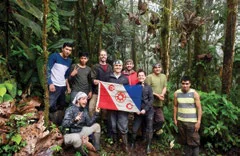
A flag expedition worked in the recently established Río Manduriacu Reserve, on the Andean slopes of northwestern Ecuador, from 23 November to 17 December 2019. The reserve shelters many threatened and endemic species, so the Log's authors treat each survey as a chance to add to the known inventory of this canyon ecosystem. This was the fifth such expedition.
As on earlier trips, the team pushed into parts of the reserve nobody had surveyed before. It also chose a different time of year from previous visits, so that changes in animal behaviour and in the species present across the calendar could be seen. Earlier surveys had already turned up two new frogs, a probable third new frog in the genus Pristimantis, the rediscovery of two frogs not seen for years, several range extensions, at least three new orchids and a new magnolia.
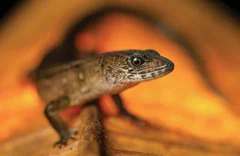
The 2019 trip added eleven species to the reserve list. They include one endangered species, two vulnerable ones and what may be two species new to science. The trip also produced the first-ever recordings of two of the rediscovered frogs, and a further species, Cochranella megista, was seen for only the second time in Ecuador.
The authors argue that each expedition deepens understanding of the Western Montane Forest and that discoveries have not yet levelled off. They plan to use the results in the media to raise awareness of the reserve and to help its managing body, Fundación EcoMinga, resist mining and logging. Their data suggest that many of the threatened species found there probably could not survive outside the mature forest the reserve protects.
The threat is real: a mining subsidiary of BHP Billiton has shown interest in gold and copper in the reserve, and Ecuador keeps mineral rights in state hands and puts them up for sale. The Log reports several illegal prospecting incursions, the latest in August 2019, which members of the neighbouring community of Santa Rosa de Manduriacu blocked. The authors say their aim is to show how little is known of Andean forest life and to keep building lasting ties with local communities.
People
- Scott Trageser · MN'18 · Expedition member and co-author of the report
- Ross Maynard · Principal investigator and co-author of the report
Places
- Río Manduriacu Reserve — On the Andean slopes of northwestern Ecuador; the Log gives no coordinates.
Source notes
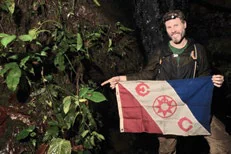
The Log does not say who held the flag; the two authors are listed as carriers by default. The article is headed “biodiversity discovery expedition, flag #83”.
Sources
- The Explorers Log, Summer 2020, p. 19 · In the Field: Río Manduriacu Reserve
Trageser and Maynard report the November to December 2019 survey, its additions to the reserve's species list and the mining and logging pressure on the reserve; the subtitle names flag #83.
- The Explorers Log, Winter 2020, p. 14–15 · Approved flag expeditions
Flag 83 is listed for Scott Trageser’s biodiversity exploration of Reserva Manduriacu, the same late-2019 season documented in the later full account.
Photographs