5 Oceans Connective: Sea Stars from the Arctic to Antarctica
Flag 240 · 21 July 2024 to 21 February 2025
Two divers photographed sea stars in all five oceans and off seven continents in seven months, recording 38 species and signs of wasting disease in Antarctica.
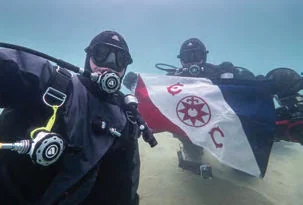
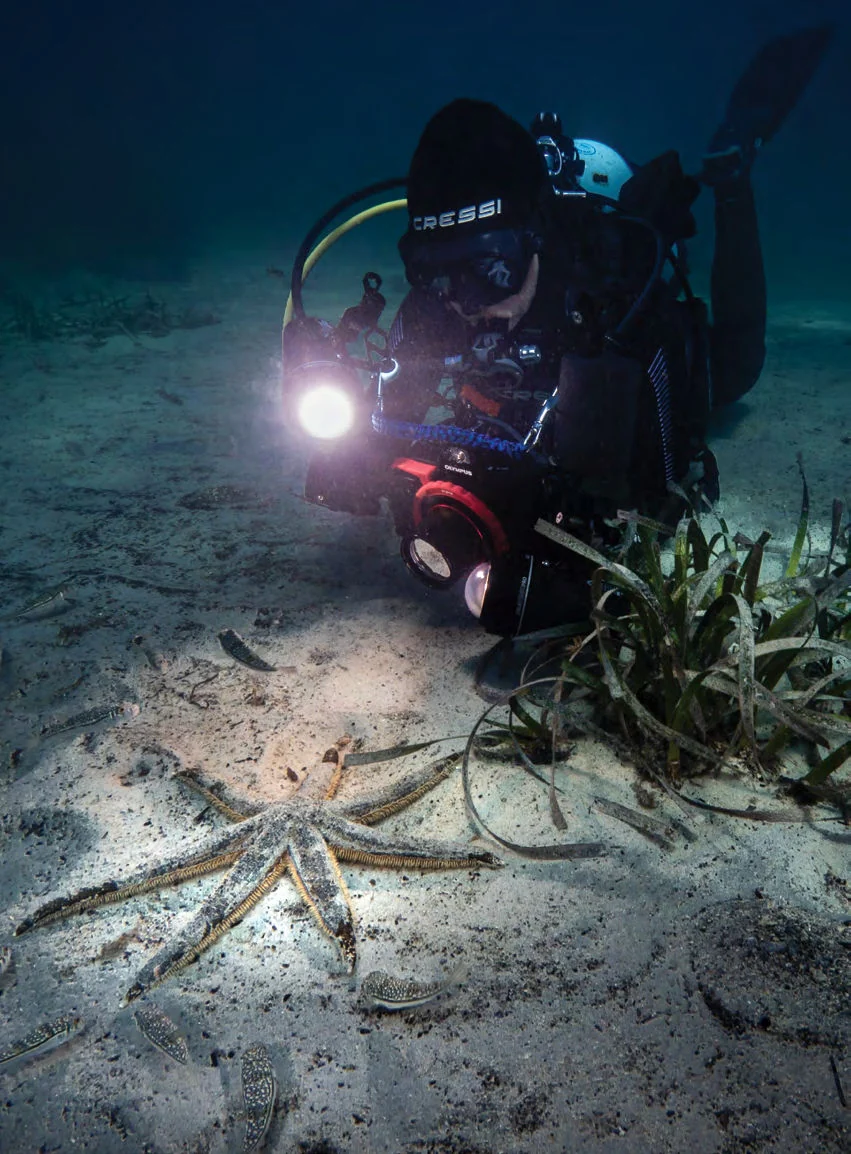
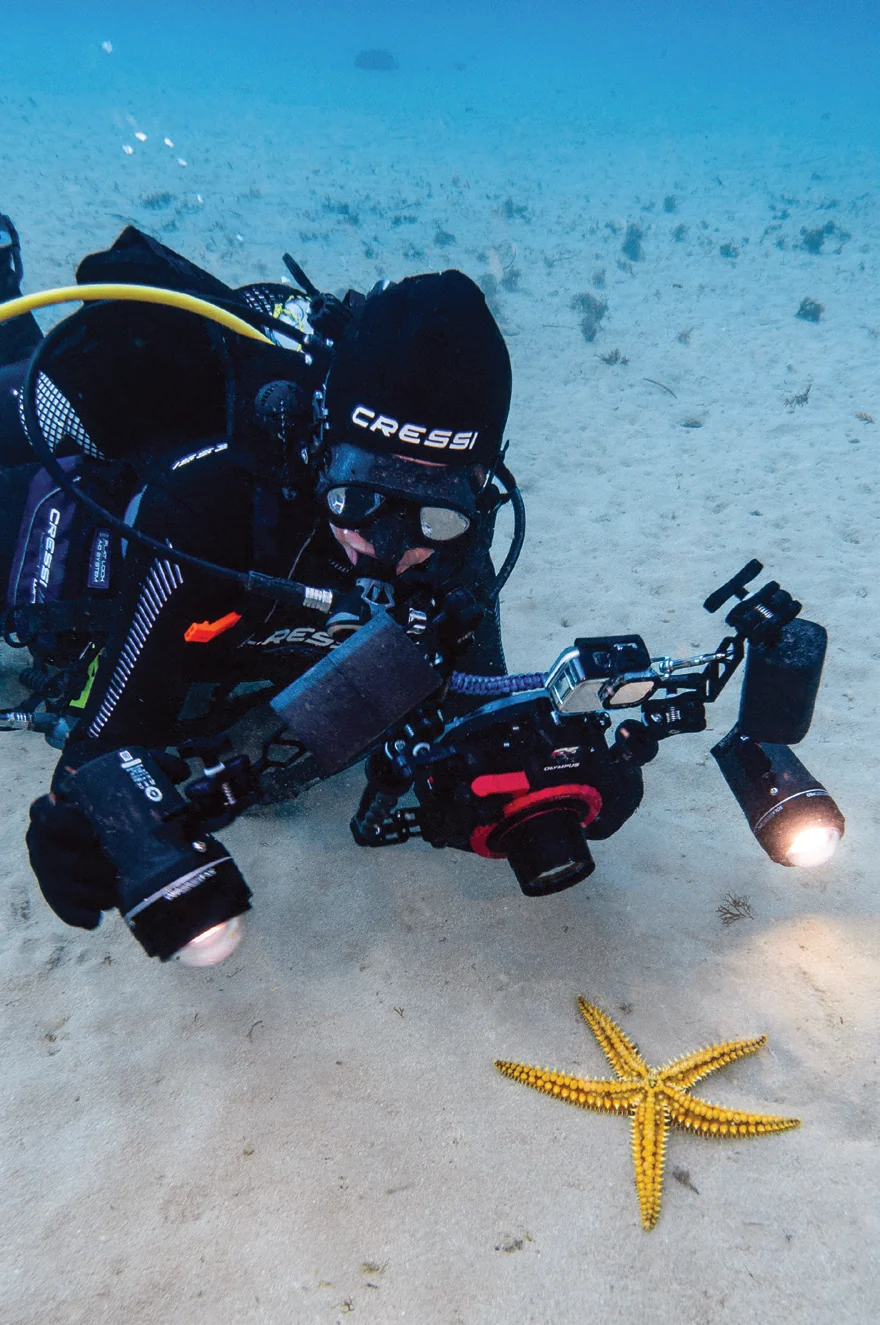
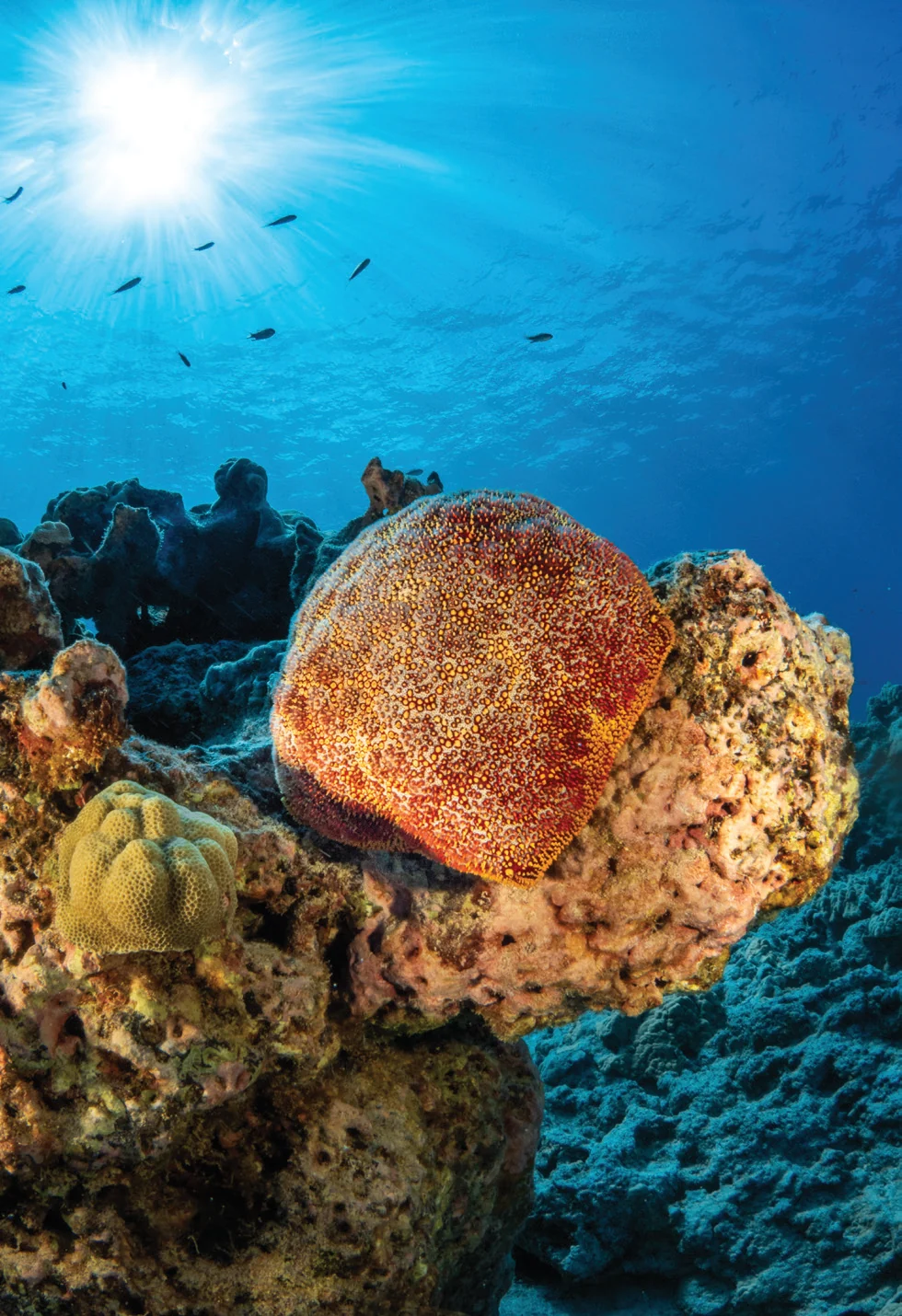
From July 2024 to February 2025, Christine Regent West and Adam Maire ran an expedition to photograph sea stars in coastal ecosystems in all five oceans and off all seven continents within seven months. Their first dive was on 24 July 2024 in Arctic Canada, in water at about -1.1°C. The habitats ranged from near-freezing Arctic and Southern Ocean waters to South Atlantic kelp forests, Indian Ocean seagrass beds and Pacific coral reefs.
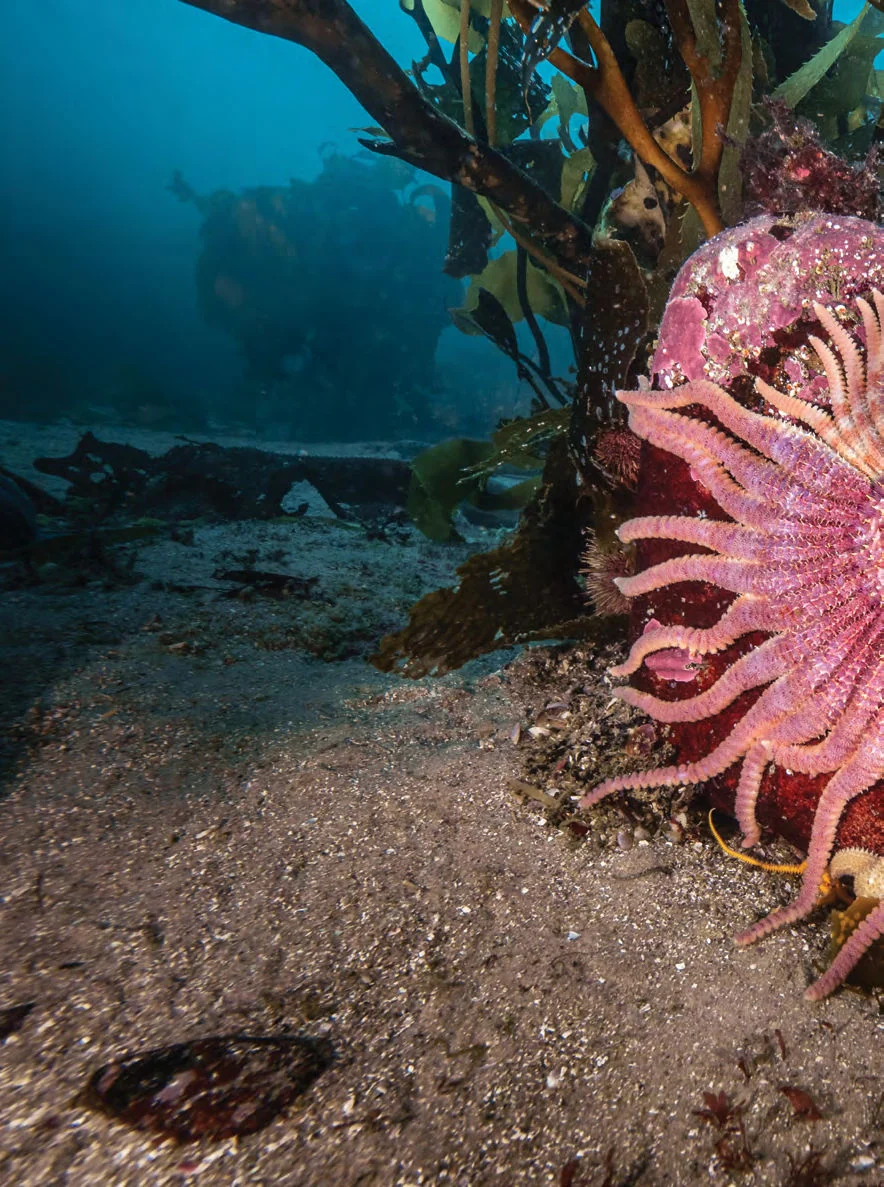
The team chose sea stars because these ecosystem-engineering animals matter in benthic food webs but their health and behaviour are often overlooked. Despite several setbacks, the expedition met its main goals within the seven months, working off countries including Greenland, the Falkland Islands, Morocco, the Philippines and Australia before ending with dives in Antarctica in February 2025.
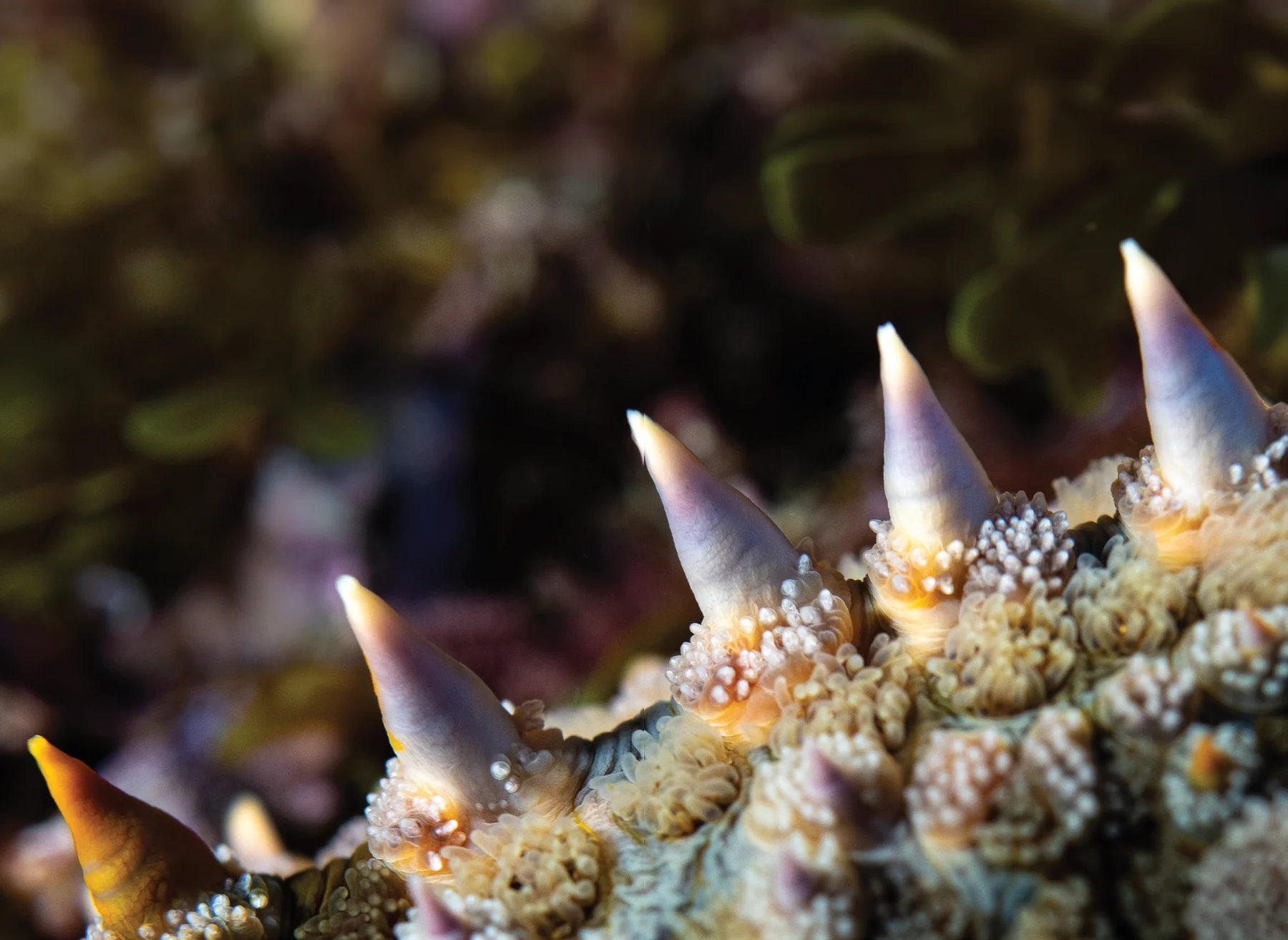
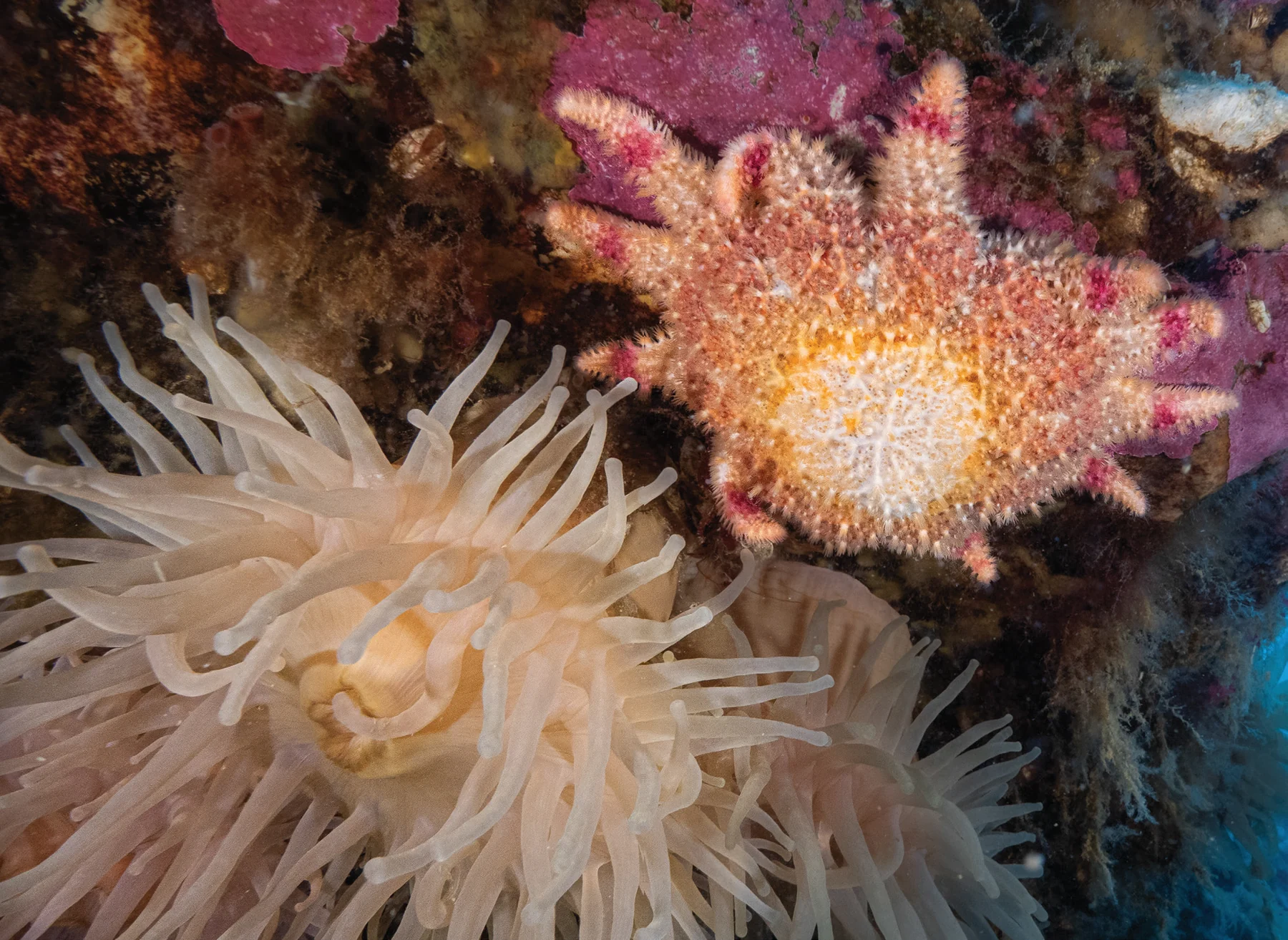
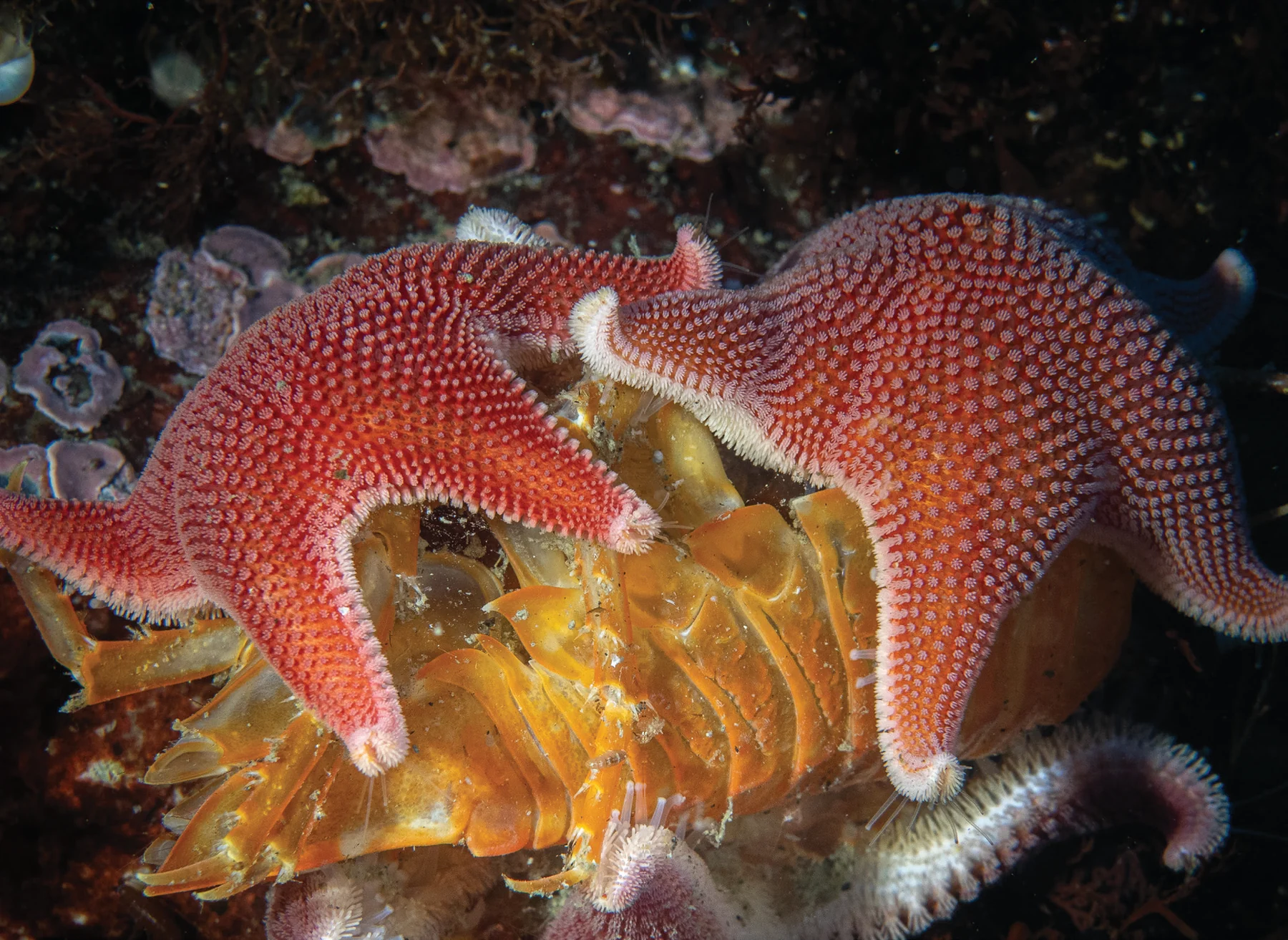
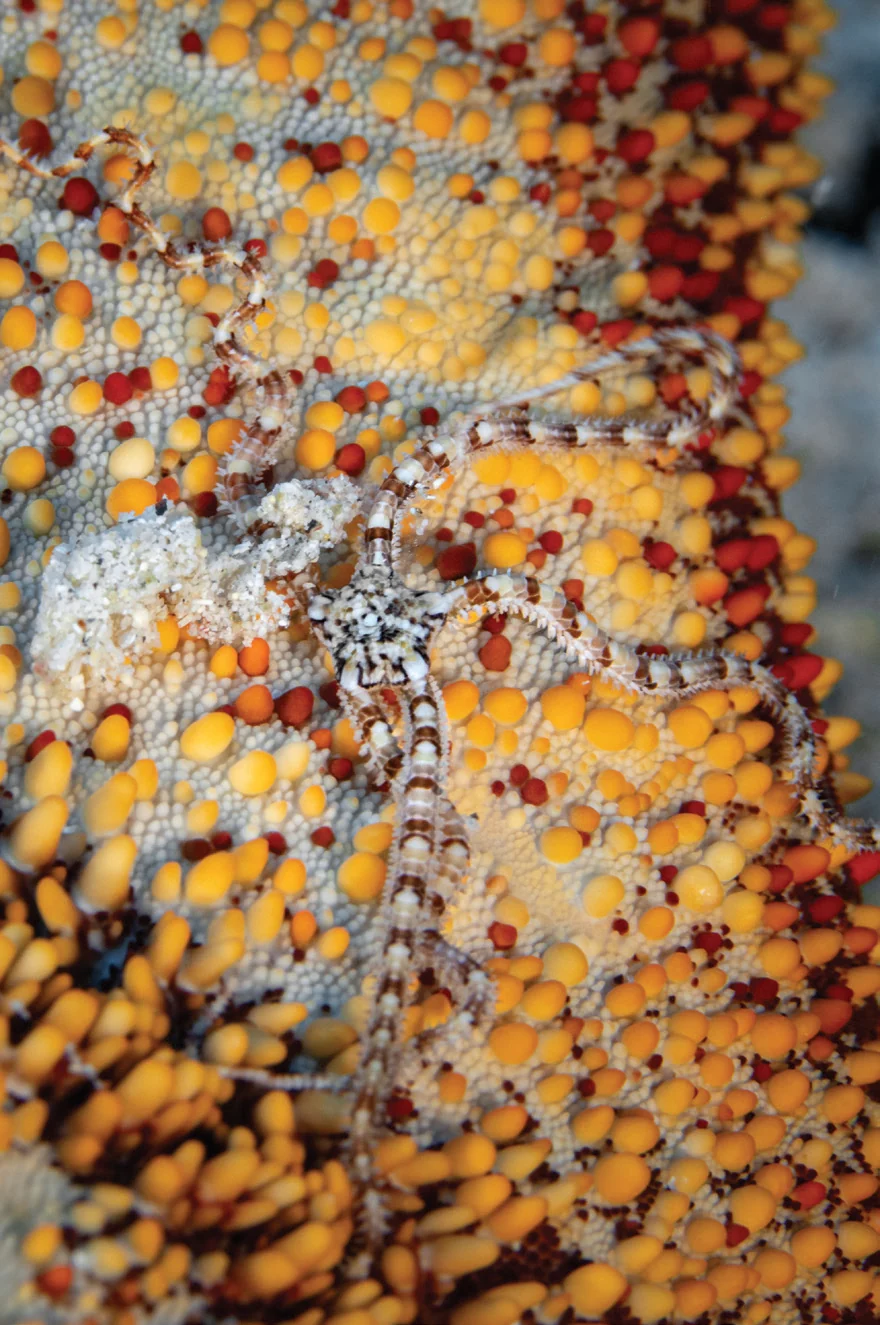
It recorded unusual behaviours in 38 sea star species, among them stacking, spawning, hosting small communities of organisms on the upper surface and keeping sea urchin numbers in check. In the Southern Ocean the divers photographed Antarctic starfish with lesions that look like those of sea star wasting syndrome, the disease behind a large die-off that devastated kelp forests off California. The Log says this points to a possible outbreak on the Western Antarctic Peninsula that could trigger mass deaths and reshape the seafloor community.
The photographs and documentation are being shared freely. Much of the diving was in places seldom seen underwater, especially at high latitudes, and by discussing seafloor life with residents and showing them images, the team aimed to start conversations about ocean ecology and link people across borders around protecting the sea.
People
- Christine Regent West · FN'23 · Expedition co-leader; diver and photographer
- Adam Maire · MN'24 · Expedition co-leader; diver and photographer
Places
- Gjoa Haven, Northwest Passage — First dive, 24 July 2024, in water about -1.1°C.
- Greenland — Country only; the Log names no site.
- Falkland Islands — Country only; the Log names no site.
- Morocco — Country only; the Log names no site.
- Philippines — Country only; the Log names no site.
- Australia — Country only; the Log names no site.
- Antarctica — Dives in the Southern Ocean in February 2025; the Log mentions the Western Antarctic Peninsula.
Source notes
The Log prints the span July 21, 2024 to February 21, 2025 but describes the first dive on 24 July. The order of the countries follows the Log’s list, not necessarily the order visited, and none has a named site. The Summer 2025 map prints Flag 240 only against other expeditions (Wong, Rummel). A later Antarctic project by Maire is recorded in the Winter 2026 file under Flag 85.
Sources
- The Explorers Log, Summer 2025, p. 32–34 · Flag Expeditions: Return of Flag Nº 240
West and Maire report the seven-month sea star survey across the oceans, its 38 recorded species and the wasting-like lesions found in Antarctica.
- The Explorers Journal, Winter 2025/2026, p. 68–79 · Five Oceans Connective
A fuller account of the same seven-month Flag 240 project, with named photographic locations at Cambridge Bay, Hawaii and North Mindoro.
Photographs