Thriving in Thin Air: high-elevation life on Peru's volcanoes
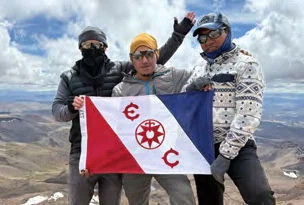
Flag 227 · October 1–30, 2025
A mountaineering survey of small mammals on seven Peruvian volcanoes, finding specimens of mice at extreme elevations and new elevational records.
Since 2020 Jay Storz and South American collaborators have run mountaineering biological surveys in the Central Andes that overturned assumptions about the limits of animal life; they have found several species of mice living on volcano summits above 6,700 meters. Their distinctive method is to set traps at extreme elevations that no zoologist had surveyed before.
The October 2025 Peru expedition followed earlier surveys in Argentina, Bolivia and Chile. Storz assembled biologists and climbers from five Latin American countries, Argentina, Bolivia, Chile, Mexico and Peru, to survey small mammals along steep elevational transects on seven volcanoes, all above 5,500 meters and five above 6,000.
Before this work, the highest specimen-based mammal records were Himalayan pikas at 5,182 meters. Over five years the project has produced many records above that, including 15 specimens from over 6,000 meters. The Peru trip alone yielded multiple specimens of three species above 5,200 meters.
One transect on Nevado Mismi ended at an unusual place: the Amazon's headwaters, recognized as the river's most distant source, glacial meltwater issuing from a rock face at about 5,300 meters. Trapping went well there, and the specimens set new elevational records for two species.
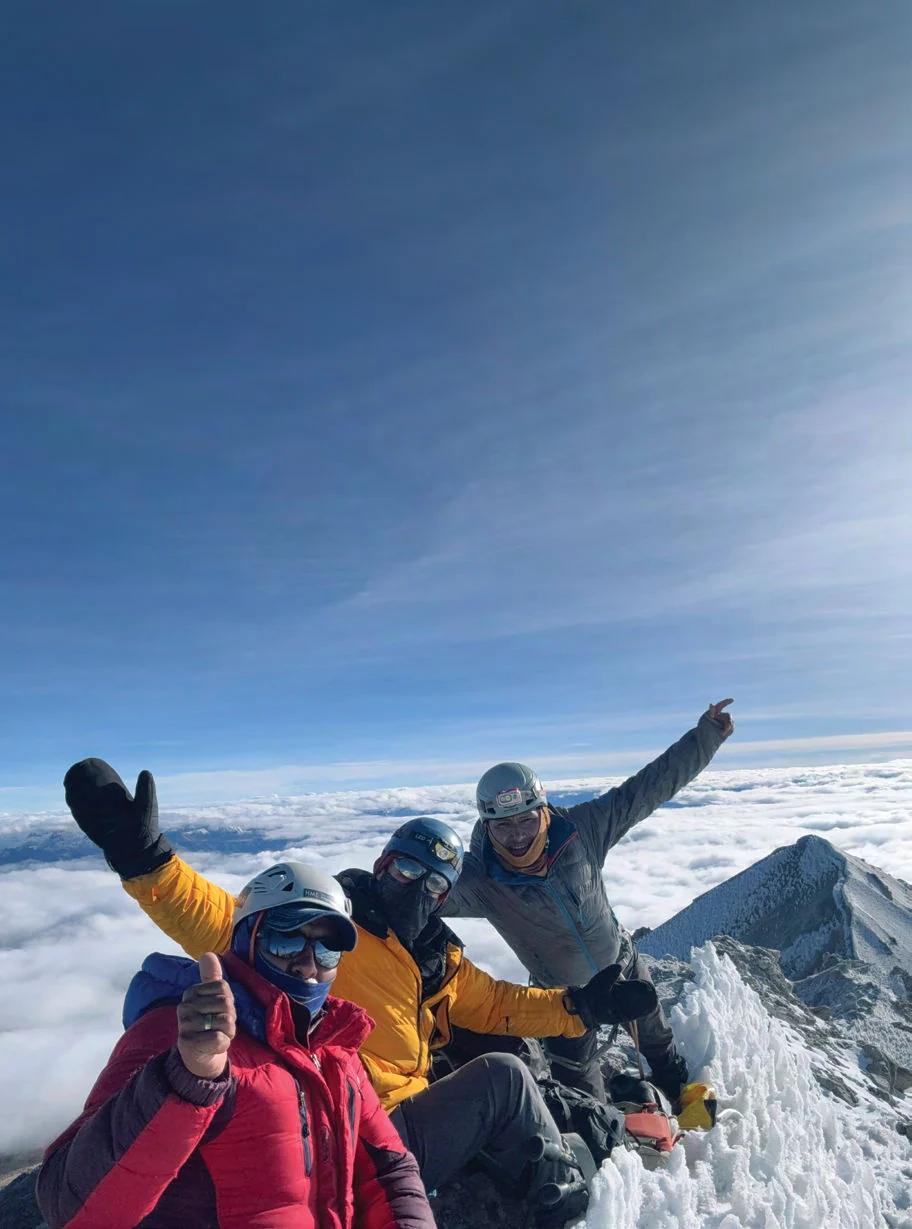
The results show where small mammals' ranges stop and give a baseline for tracking how those ranges shift as the climate changes, which matters for biodiversity conservation. The team celebrated on the 6,025-meter summit of Nevado Hualca Hualca.
People
- Jay F. Storz, PhD · FN'24 · Expedition leader
Places
- Nevado Mismi
- Nevado Hualca Hualca — Named in a photo caption.
Sources
- The Explorers Log, Fall 2025, p. 34–35 · Flag Returns: Return of Flag 227
Storz's return report on the high-elevation mammal surveys in southern Peru, with team photos on pages 34 and 35.
Photographs