Hope for the Chesapeake: Another 100 Hours Beneath the Bay
Flag 174 · July 15–21, 2024
A diving and science revisit of the Chesapeake waters surveyed in a landmark 1954 National Geographic expedition, to see what has changed in 70 years.
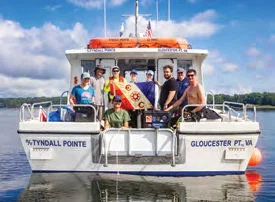
Hope for the Chesapeake: Another 100 Hours Beneath the Bay revisited Gilbert Klingel and Willard Culver's 1954 National Geographic expedition, One Hundred Hours Beneath the Sea. It returned to the waters around Gwynn's Island, Virginia, and the Piankatank River, a major tributary of Chesapeake Bay. A team of divers, scientists and photographers wanted to see what has changed, in Sylvia Earle's phrase, while using modern tools.
Over the course of the expedition the team worked at five main sites with a layered scientific approach. They ran underwater transects of bottom habitat, set baited remote video cameras, collected environmental DNA samples and measured temperature, salinity and dissolved oxygen. Underwater photographs were matched to archival images from 1954 so conditions could be compared across more than seven decades.
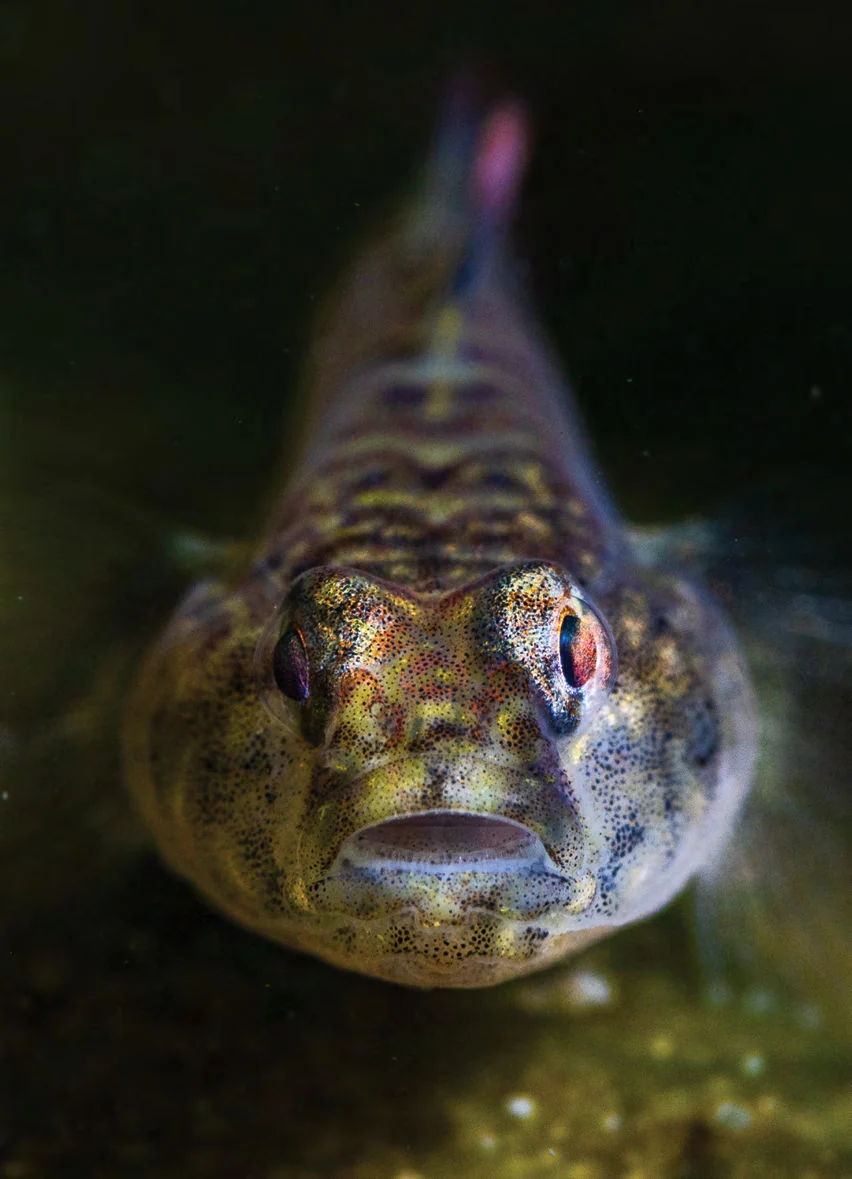
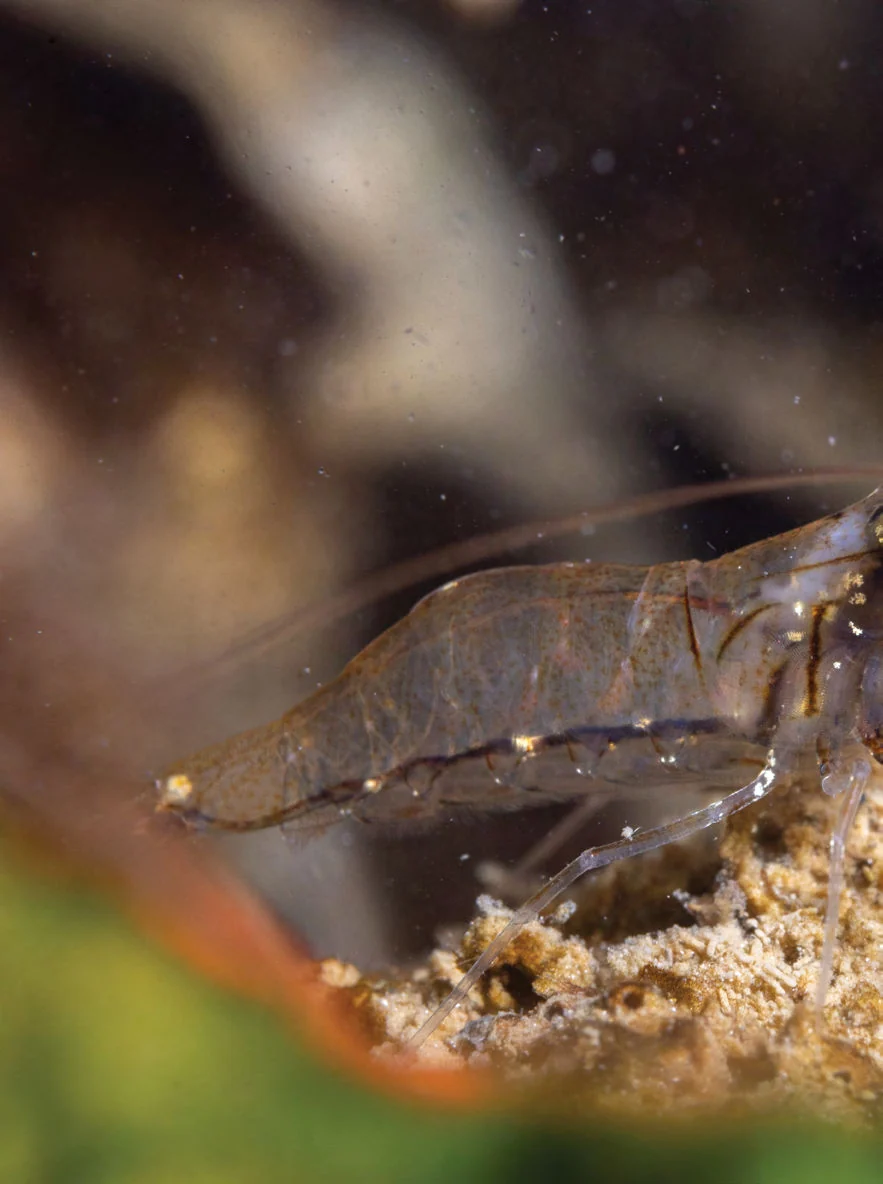
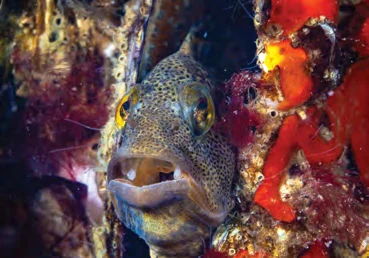
The picture was mixed. Red beard sponges clung to reef structures, toadfish called from their shelters, and several oyster-reef restoration sites showed signs of resilience. Dense seagrass beds at Milford Haven suggested recovery. Yet the team also recorded the effects of dredging, sedimentation and pollution where habitat loss persists.
Community engagement was central. With the Mathews Land Conservancy and seven local cosponsors, the team held a public event that drew more than 150 people from Mathews County, linking past and present exploration.
The expedition formed part of the Club's successful nomination of the Chesapeake Bay as a Mission Blue Hope Spot, and the Philip Stephenson Foundation supported it through the Club's Stephenson Exploration Advancement programme. The New England Chapter report names Morgan Bennett-Smith as scientific lead and photographer and Christina Janulis as co-lead of the benthic work, and adds that the team pressed seaweed samples for Earle's Smithsonian collection.
People
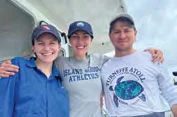
- Helena Janulis · TM'13 · Expedition leader
- Morgan Bennett-Smith · TM'23 · Scientific lead and underwater photographer
- Christina Janulis · MN'16 · Co-lead of benthic studies
- Sylvia Earle, PhD · MED'81 · Expedition member
Places
- Gwynn's Island, Virginia
- Piankatank River — Placed roughly; the Log names five sites without locating them.
- Milford Haven — Placed roughly.
Source notes
The return report dates the expedition July 15-21, 2024, but the New England Chapter report says May 2025. The report's date is used.
Sources
- The Explorers Log, Fall 2025, p. 28–30 · Flag Returns: Return of Flag 174 and Rolex Submariner, Watch 3
Helena Janulis's return report on the Chesapeake expedition, with underwater photos on pages 29 and 30.
- The Explorers Log, Fall 2025, p. 39 · Compass Points: New England Chapter
The chapter report restates the expedition, naming team members and findings, and dates it to May 2025.
- The Explorers Log, Summer 2024, p. 18 · Flag Expeditions: field projects, 2024 and beyond
The approvals list prints Flag Nº 174 against Helena Janulis for this expedition, with the printed dates.
- The Explorers Log, Summer 2024, p. 24 · Flag Expeditions in Brief
The in-brief section describes the expedition and prints Flag Nº 174.
- The Explorers Log, Fall 2024, p. 14 · Flag Expeditions: field projects, 2024 and beyond
The approvals list prints Flag Nº 174 against Helena Janulis for this expedition, with the printed dates.
- The Explorers Log, Fall 2024, p. 21 · Flag Expeditions in Brief
The in-brief section describes the expedition and prints Flag Nº 174.
Photographs