Phoenician Cargo Expedition, Dor Lagoon
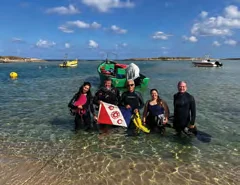
Flag 151 · 20 May–3 June 2024
Excavating a shallow wreck in Dor Lagoon whose cargo of metal ingots and Phoenician pottery, with an inscribed potsherd, dates to the seventh century BCE.
The Dor Lagoon expedition is part of a long-term collaboration between UC San Diego's Center for Cyber-Archaeology and Sustainability and the University of Haifa's Leon Recanati Institute for Maritime Studies, studying maritime networks along Israel's Carmel coast. It focuses on Iron Age maritime activity and environment after the eastern Mediterranean's Late Bronze Age civilisations collapsed around 1200 BCE, when new polities such as the Phoenicians rose and built a pan-Mediterranean network.
Until recently the underwater evidence for Iron Age shipping off Israel was thin. In 2019 the group found an Iron Age harbour facility at Dor but no cargo. In May 2023 they relocated a wreck, called L2, previously dated to the Persian period, which proved to hold a large cargo from the seventh century BCE.
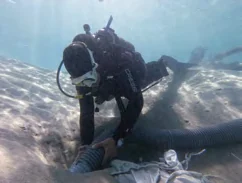
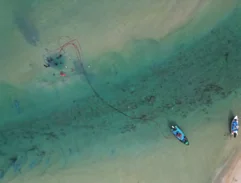
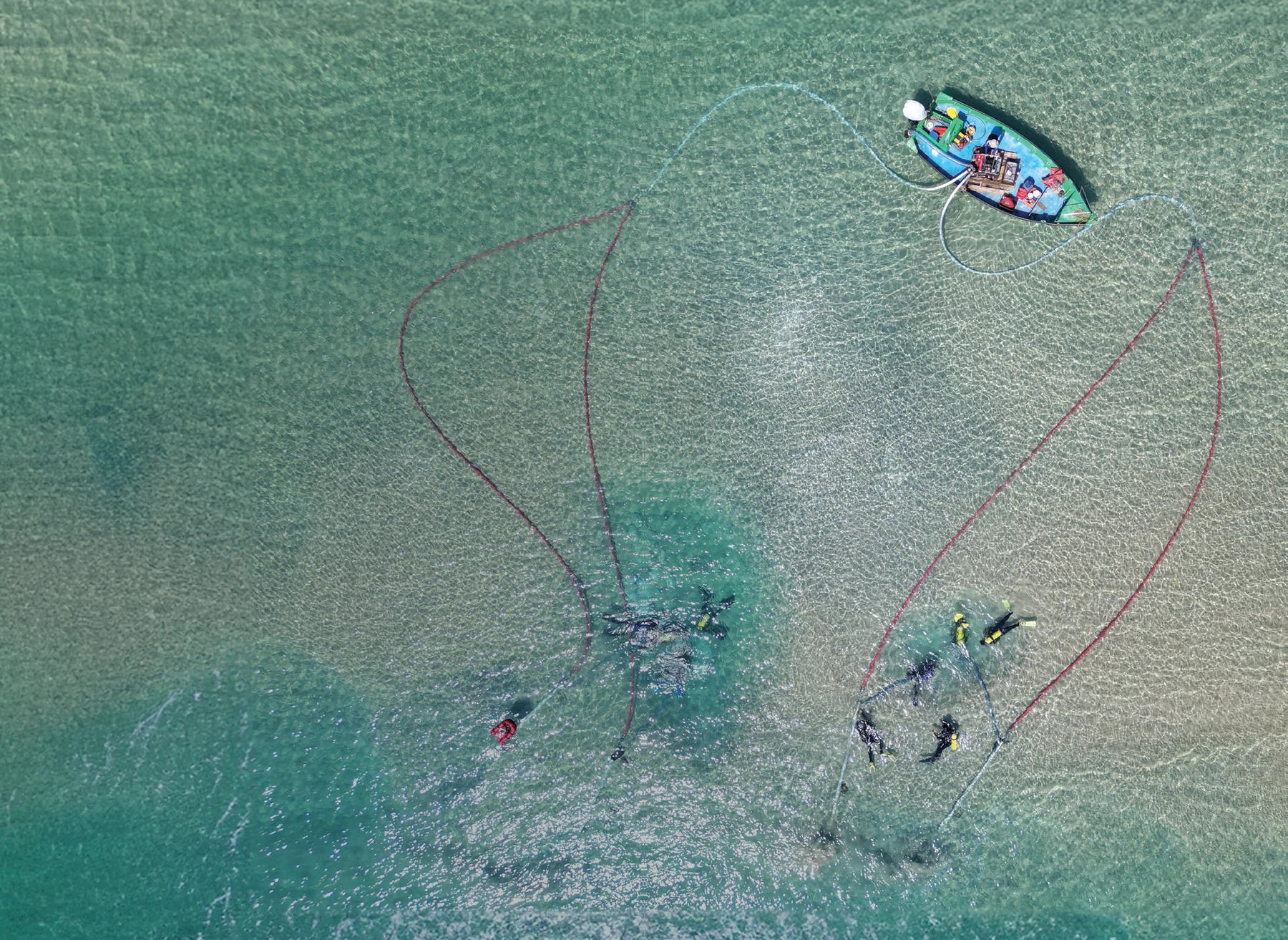
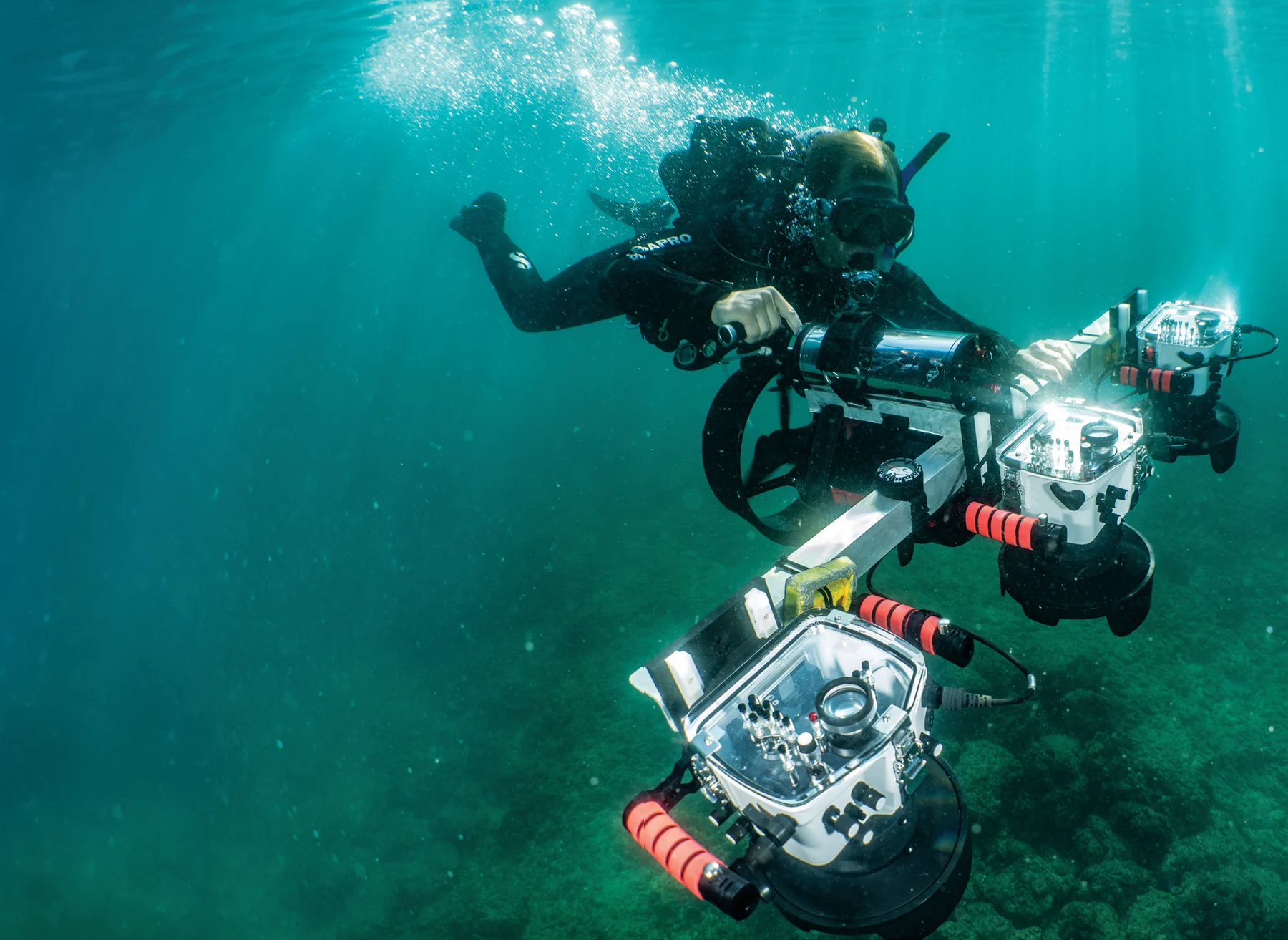
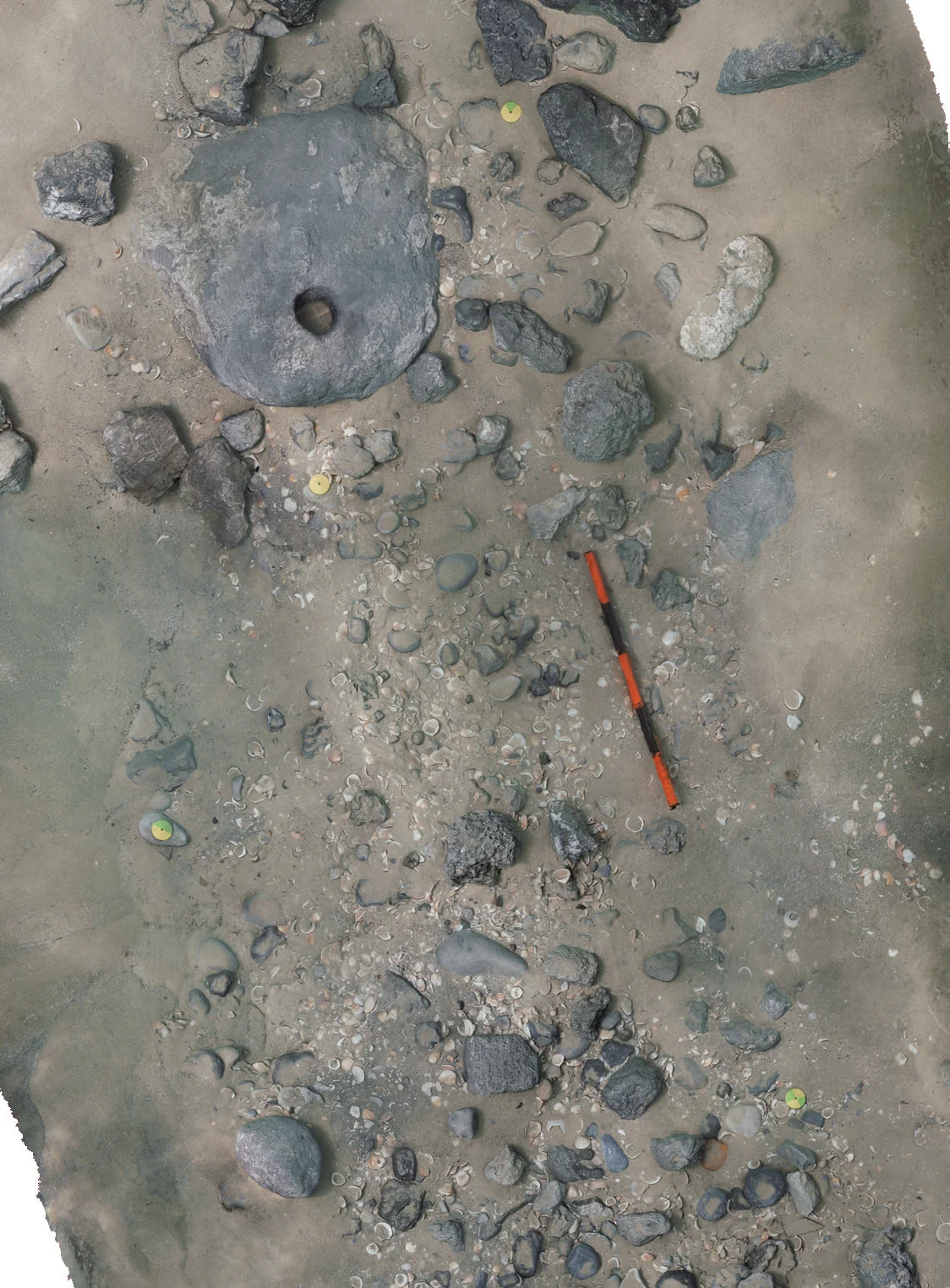
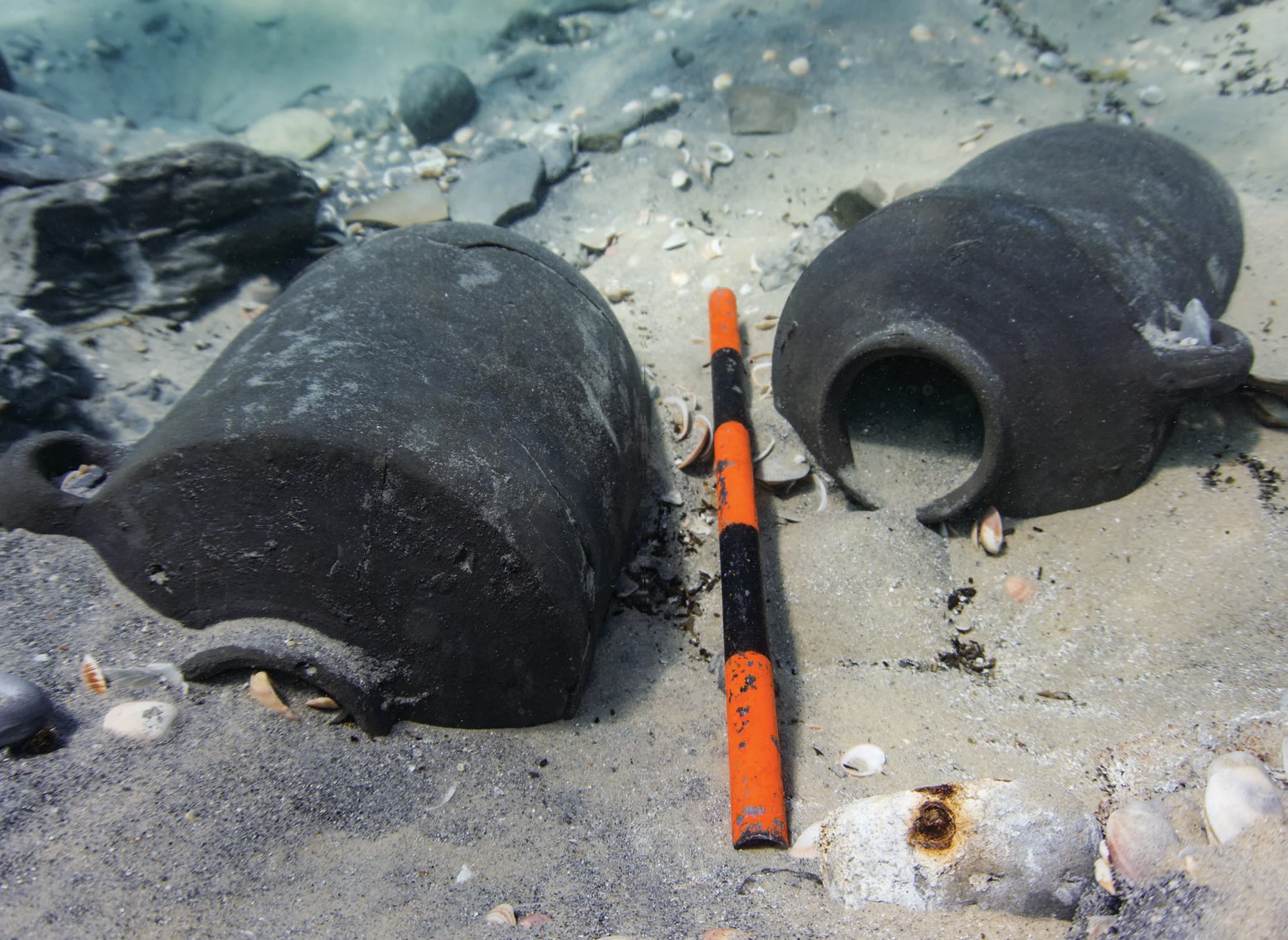
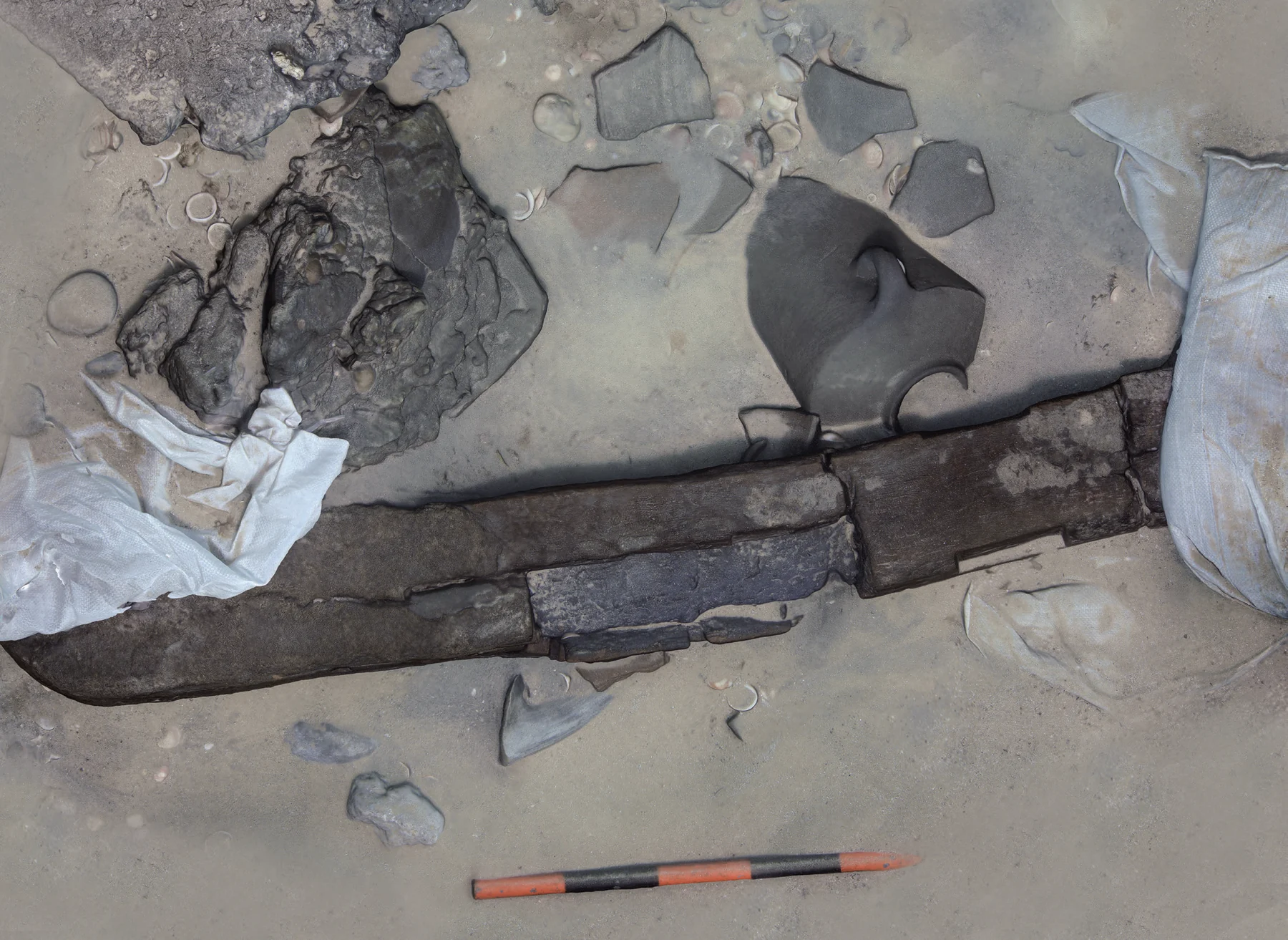
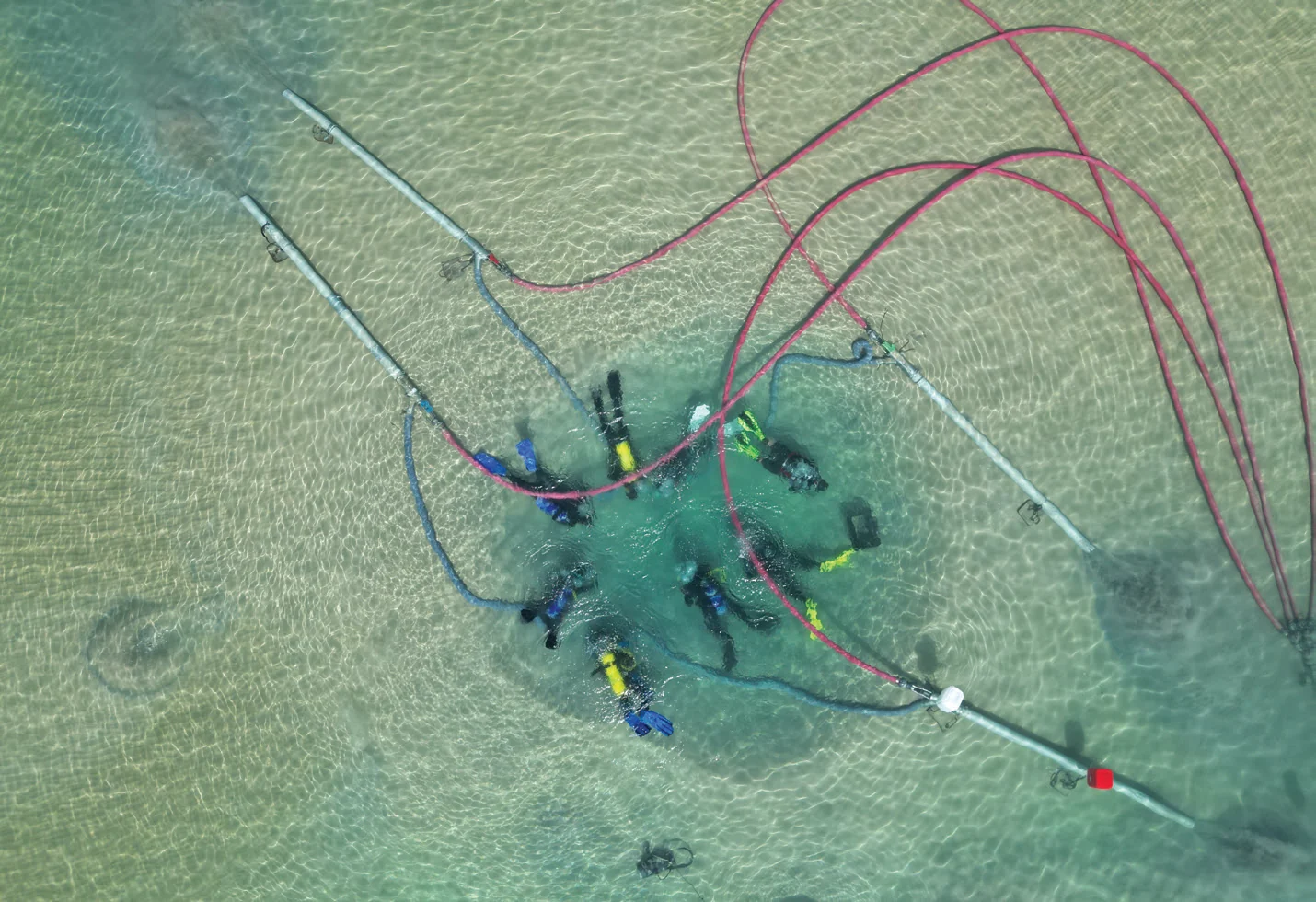
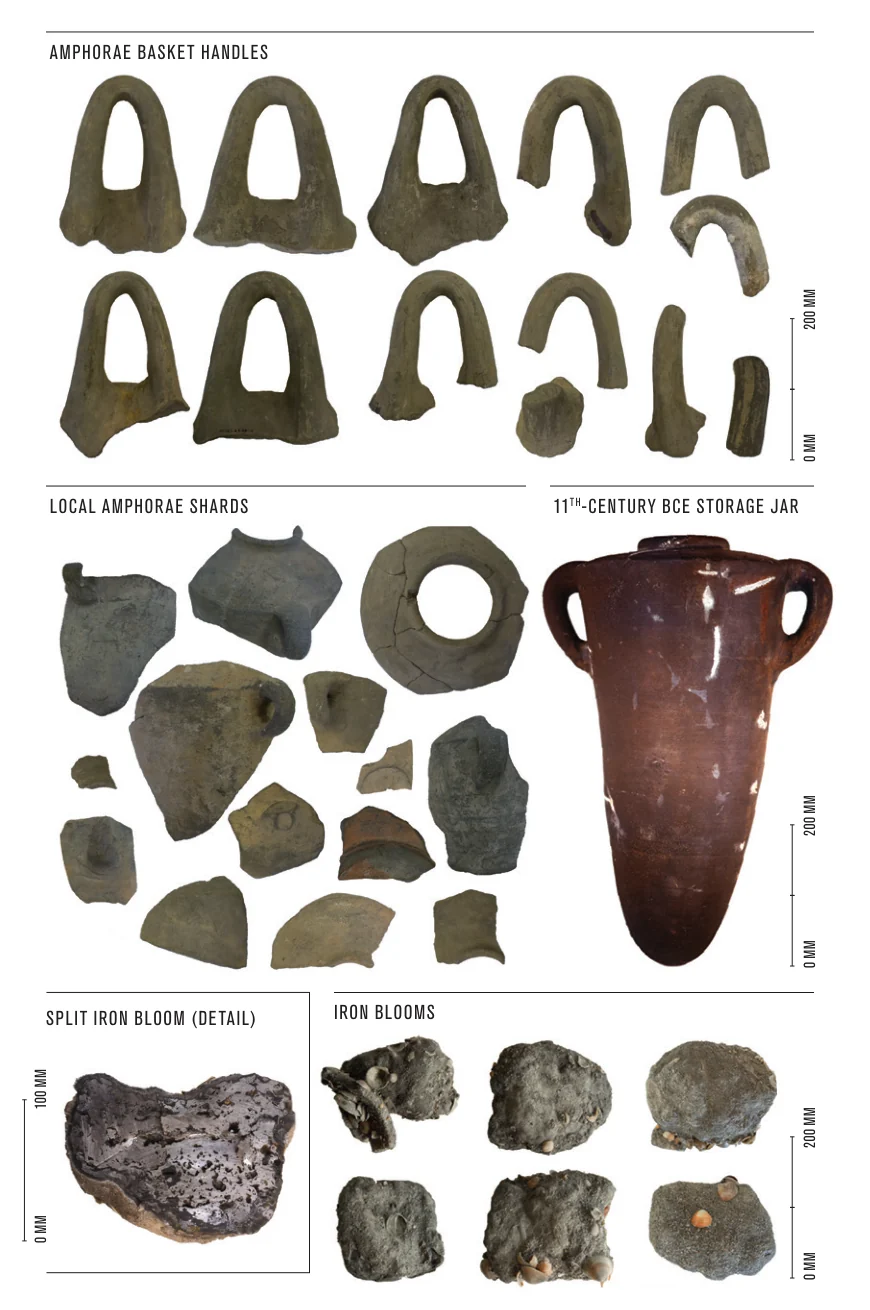
The 2024 season, 20 May to 3 June, excavated the wreck, which lies in under two metres of water, enlarging the sample of its ballast and cargo. Finds include metal ingots, Phoenician pottery and other ceramics, and an ostracon, a potsherd used for writing, bearing a script not yet identified. The ostracon was an unexpected find and is important for understanding the social and economic setting of the wreck.
The team also took small sediment cores, about 50 centimetres long, around the site. Together the finds and data should show much about the trade and exchange of Phoenician sailors in the seventh century BCE.
People
- Dr Thomas Levy · FN’09 · Expedition leader
- Assaf Yasur-Landau · Co-leader
Places
- Dor Lagoon
Sources
- The Explorers Log, Summer 2024, p. 26 · Flag Returns: Phoenician cargo expedition
Levy and Yasur-Landau's report, headed Return of Flag Nº 151.
- The Explorers Journal, Winter 2025/2026, p. 36–51 · Dor Lagoon cargo research
A broader retrospective of the Dor M, Dor L1 and Dor L2 cargo investigations under Flag 151. The finds and photographs are project context, not all specifically dated to the 2024 season.
Photographs