Ethiopia’s Ancient Myrrh: legends from antiquity and modern sustainability
Flag 136 · December 20, 2025 to January 20, 2026
A second year of fieldwork on wild myrrh trees and the resin trade in Ethiopia, with 24 plots surveyed, 87 people interviewed and a cautiously hopeful finding on regeneration.
Myrrh is the aromatic resin of a small arid-land tree of the Horn of Africa and southern Arabia, traded for thousands of years for perfume, incense, medicine and ritual. The supply chain is still murky, and little is known about the wild trees or what the trade does to people and ecosystems. Anjanette DeCarlo’s team is conducting a three-year assessment, funded by the AHPA ERB Foundation and the Born Global Foundation, to fill that gap.
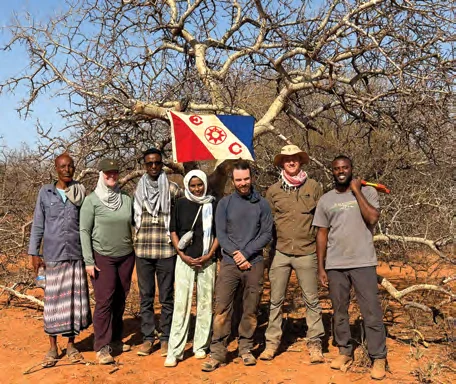
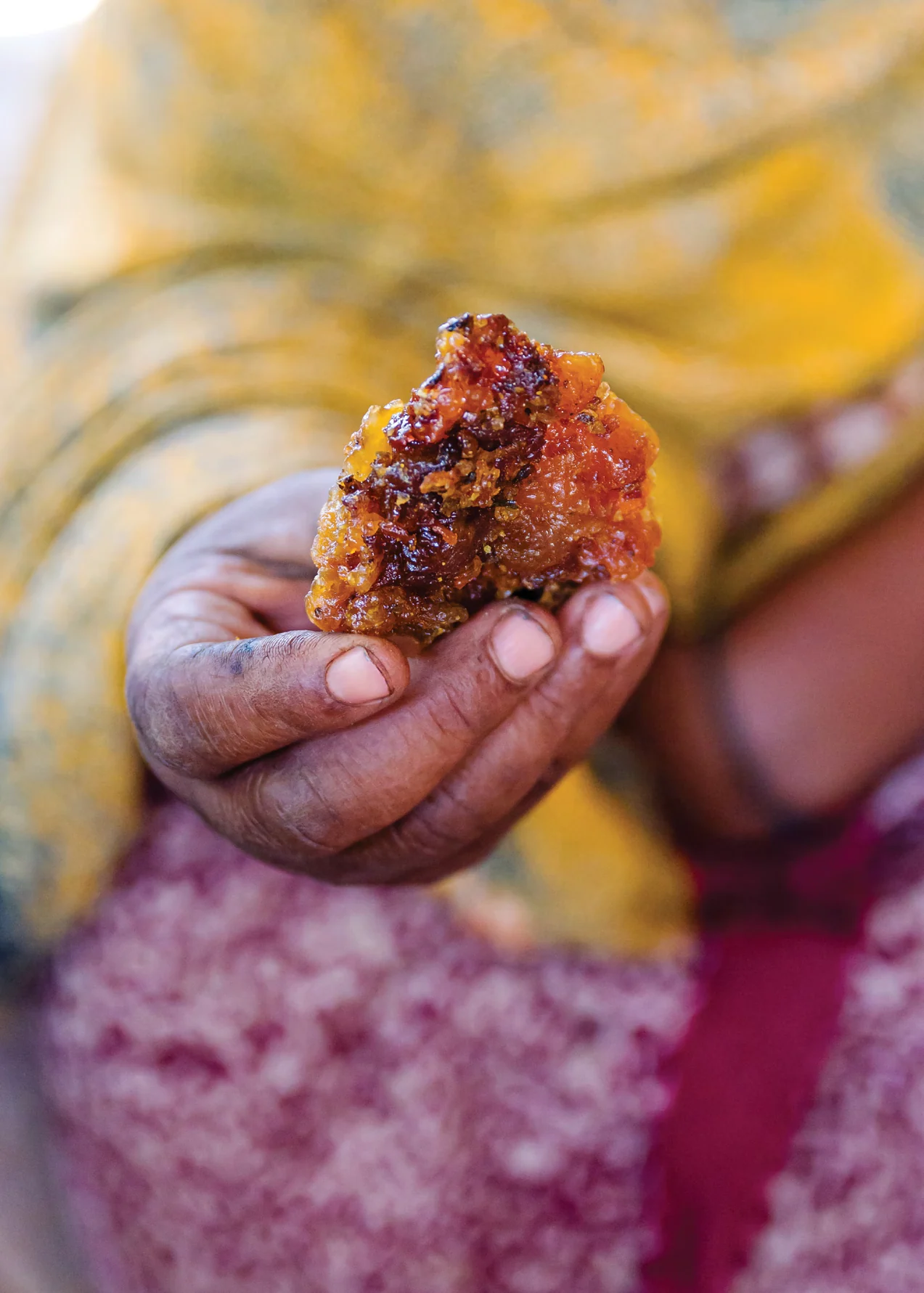
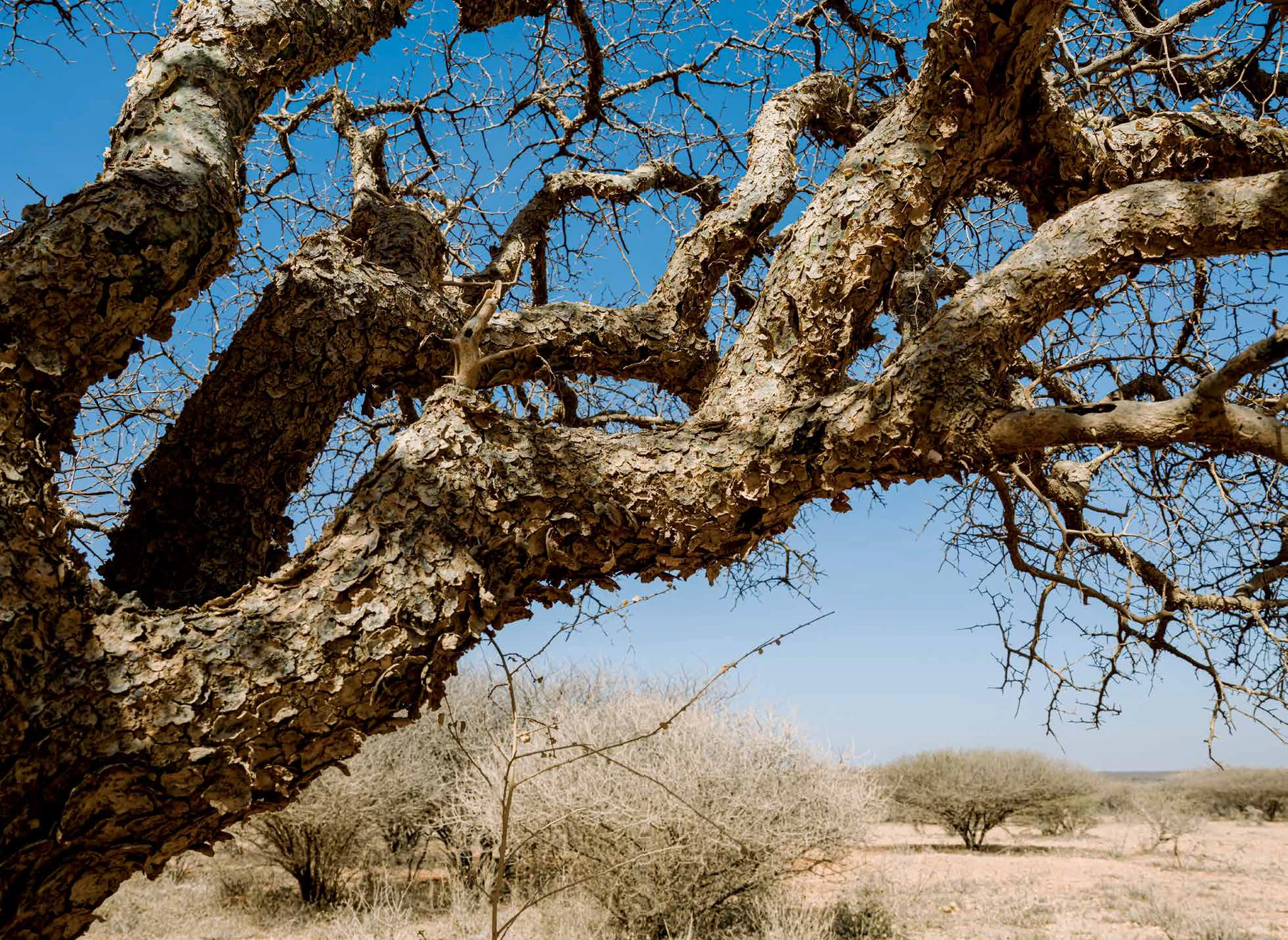
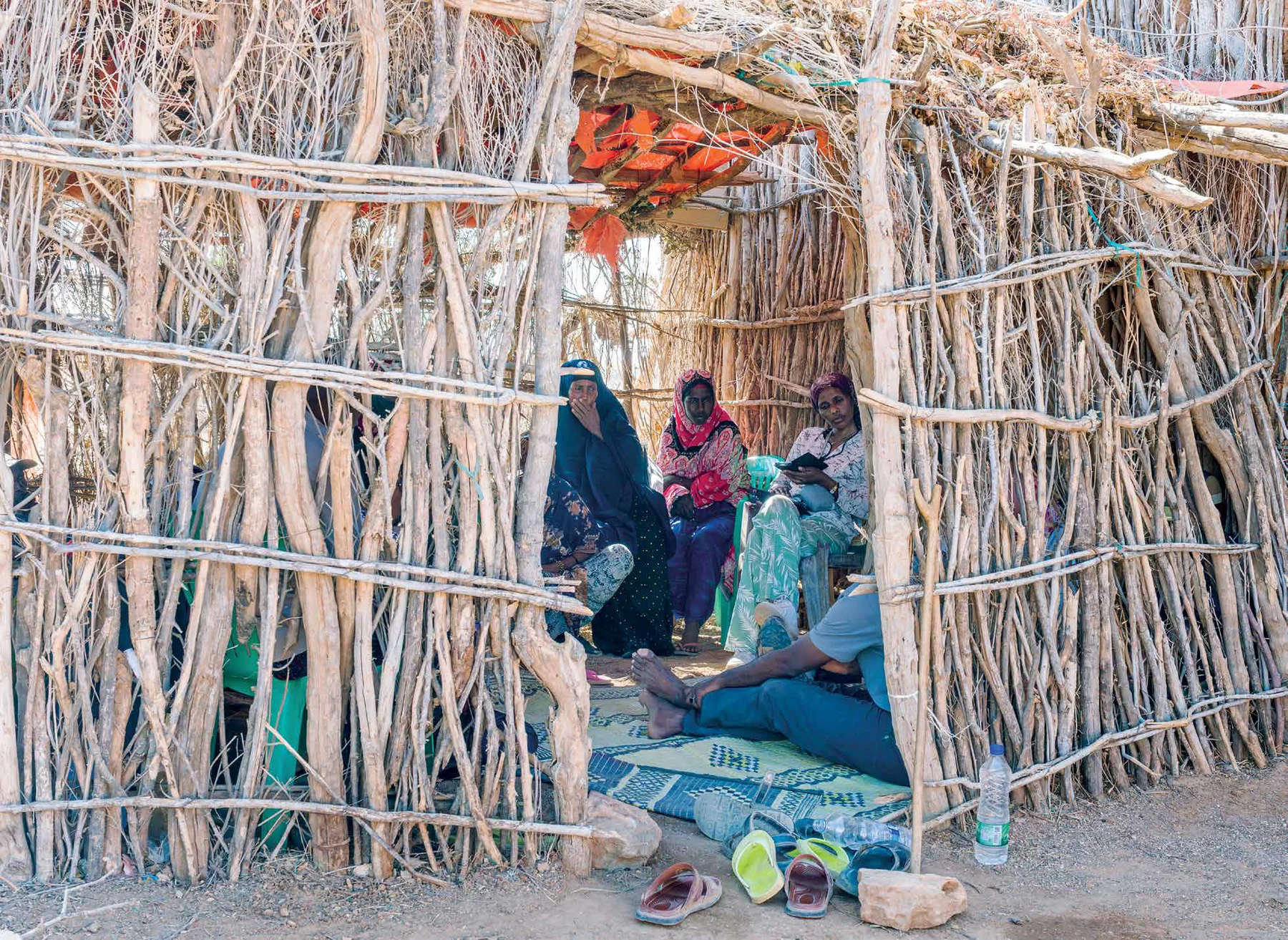
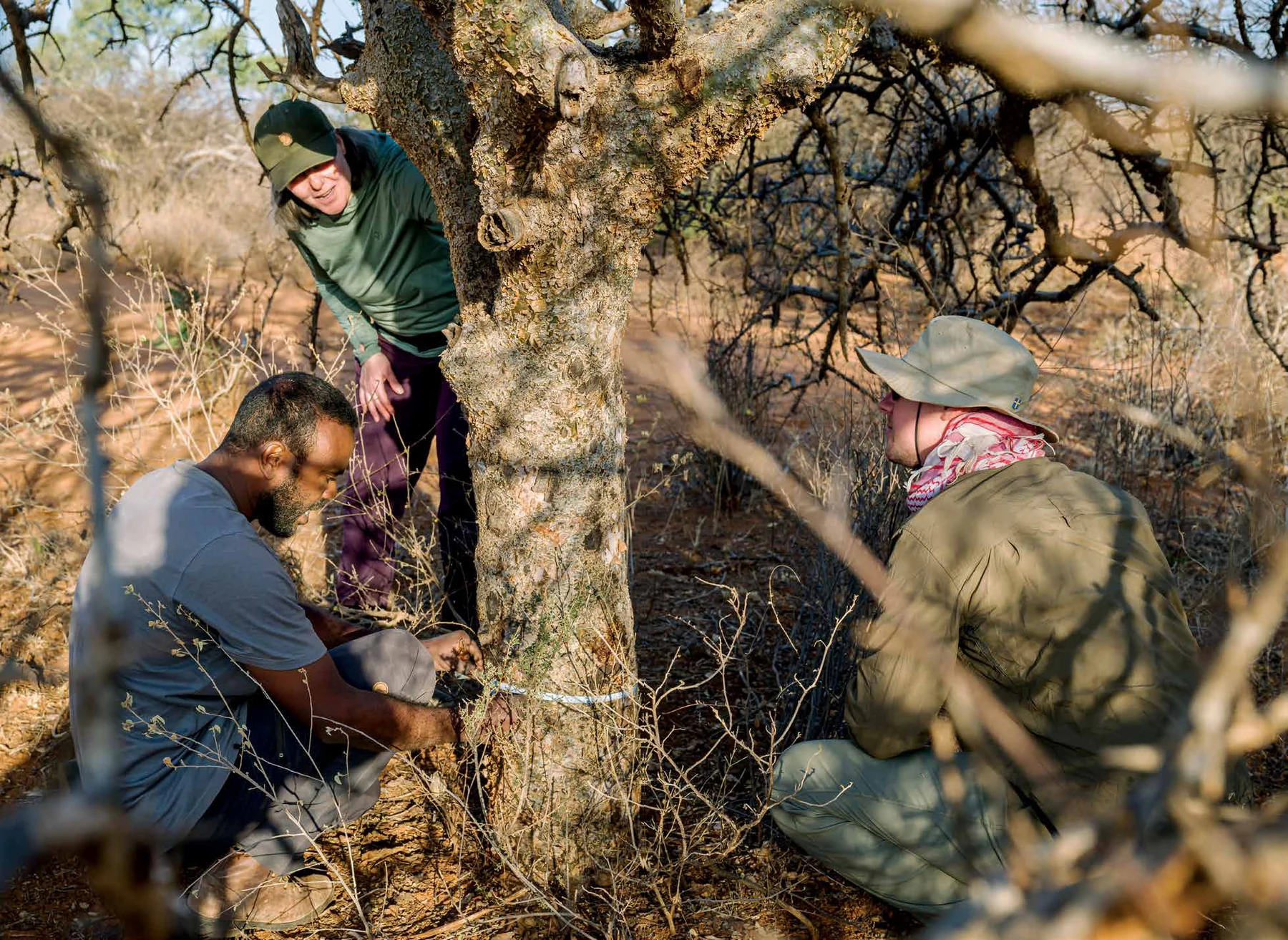
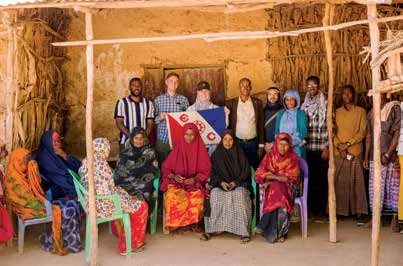
In January 2026 they returned to Ethiopia for a second season, after working north of the Shebelle River in 2025. They set up 24 plots covering six hectares at Af Cade, Galayax and Darayo and measured 313 myrrh trees. They ran focus groups in four communities and interviewed four trading entities, 87 people in all, and gathered resin from three villages together with seven samples of other Commiphora resins that could be used to adulterate it.
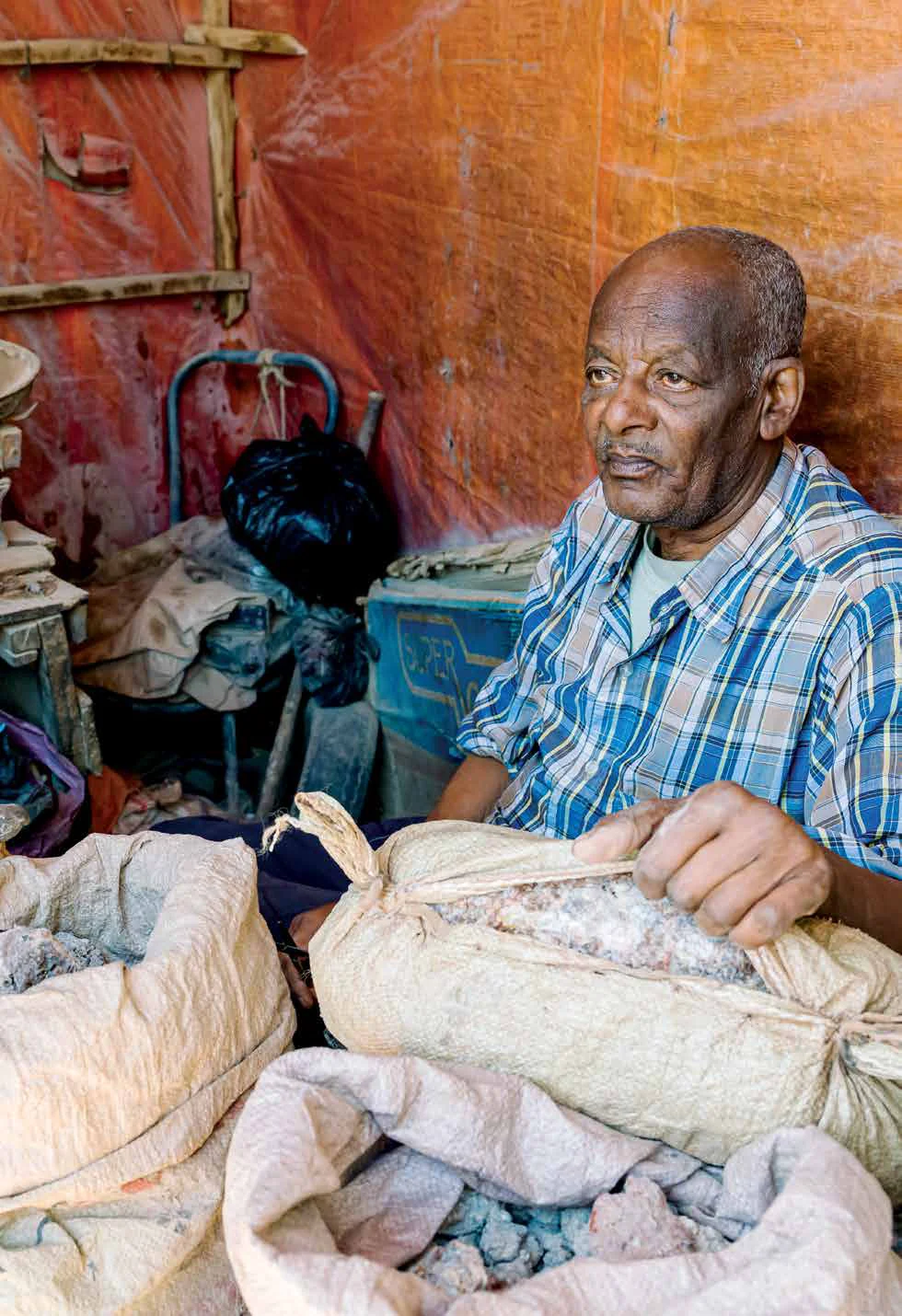
Production was confirmed south of the Shebelle River at least as far east as Jarati. Beyond that, toward Wachile, armed bandits made travel unsafe, and the trees reported near Wachile turned out to be other resin-bearing Commiphora, not true myrrh. No site was found where lower-grade resin was actively tapped, which suggests tapping in Ethiopia is limited to areas near the Somali Region and Oromia border, or that resin from Kenya or Somalia is entering an opaque chain. Harvesters said they never cut the bark; the team largely saw the same, apart from goat bites and a few axe cuts. They named climate change as a rising pressure and said they earn $6 to $8 per kilogram after a long chain of traders.
The early population data show mostly bell-shaped age structures, meaning weaker regeneration, probably from grazing and recent drought. Every site still held seedlings and young trees, a contrast with the stalled regeneration of northern Ethiopia’s frankincense, so the team is cautiously optimistic if grazing and climate pressures are managed.
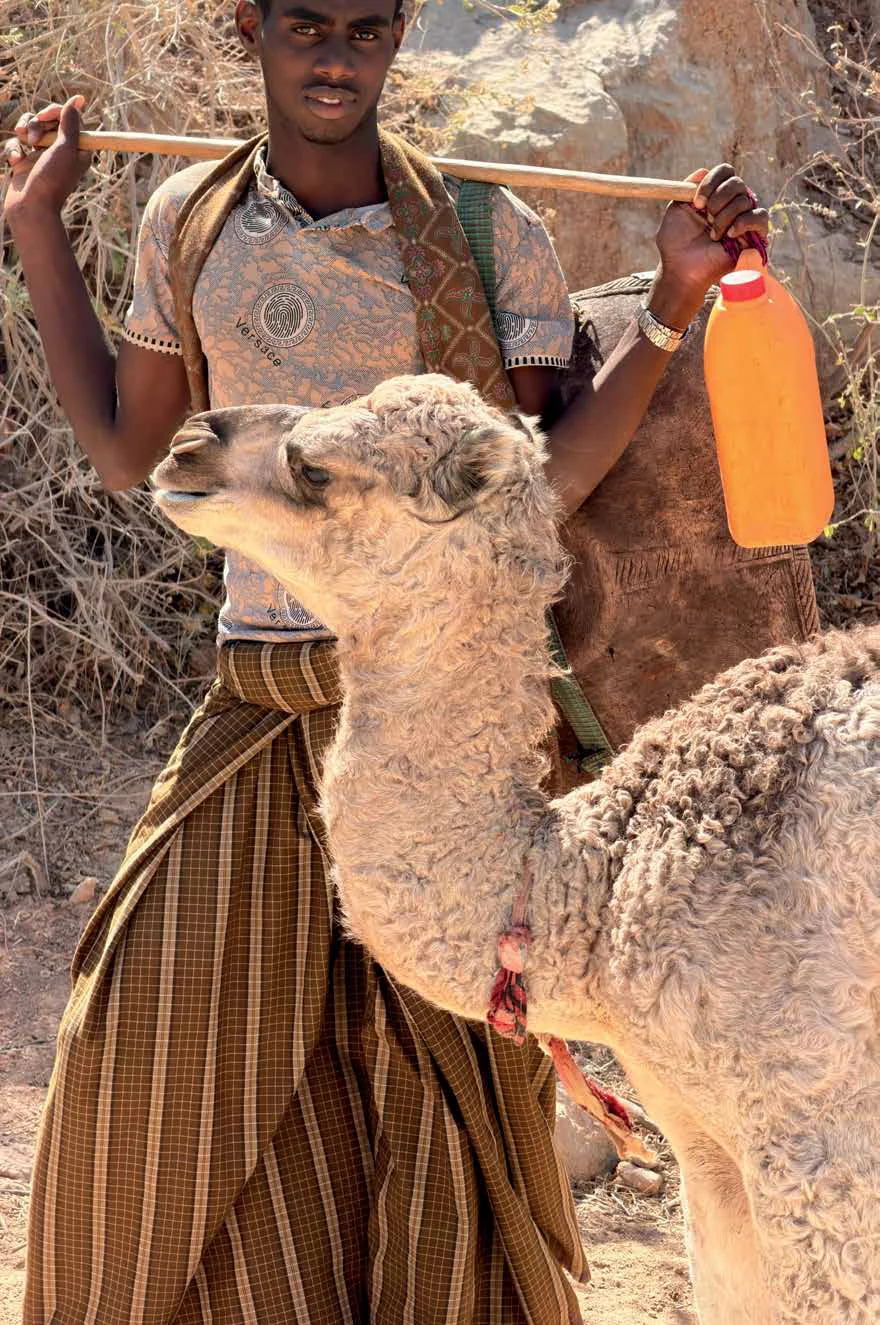
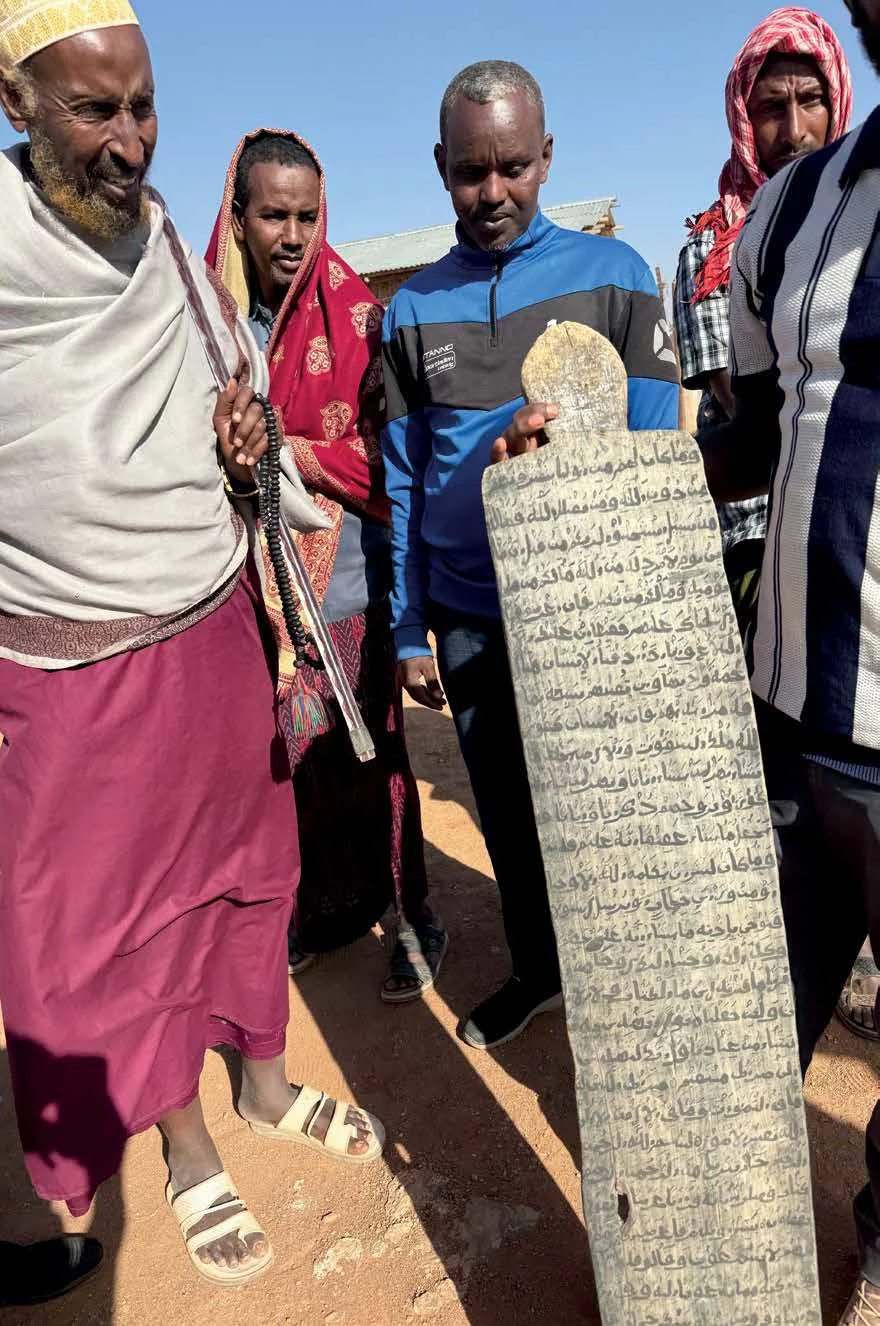
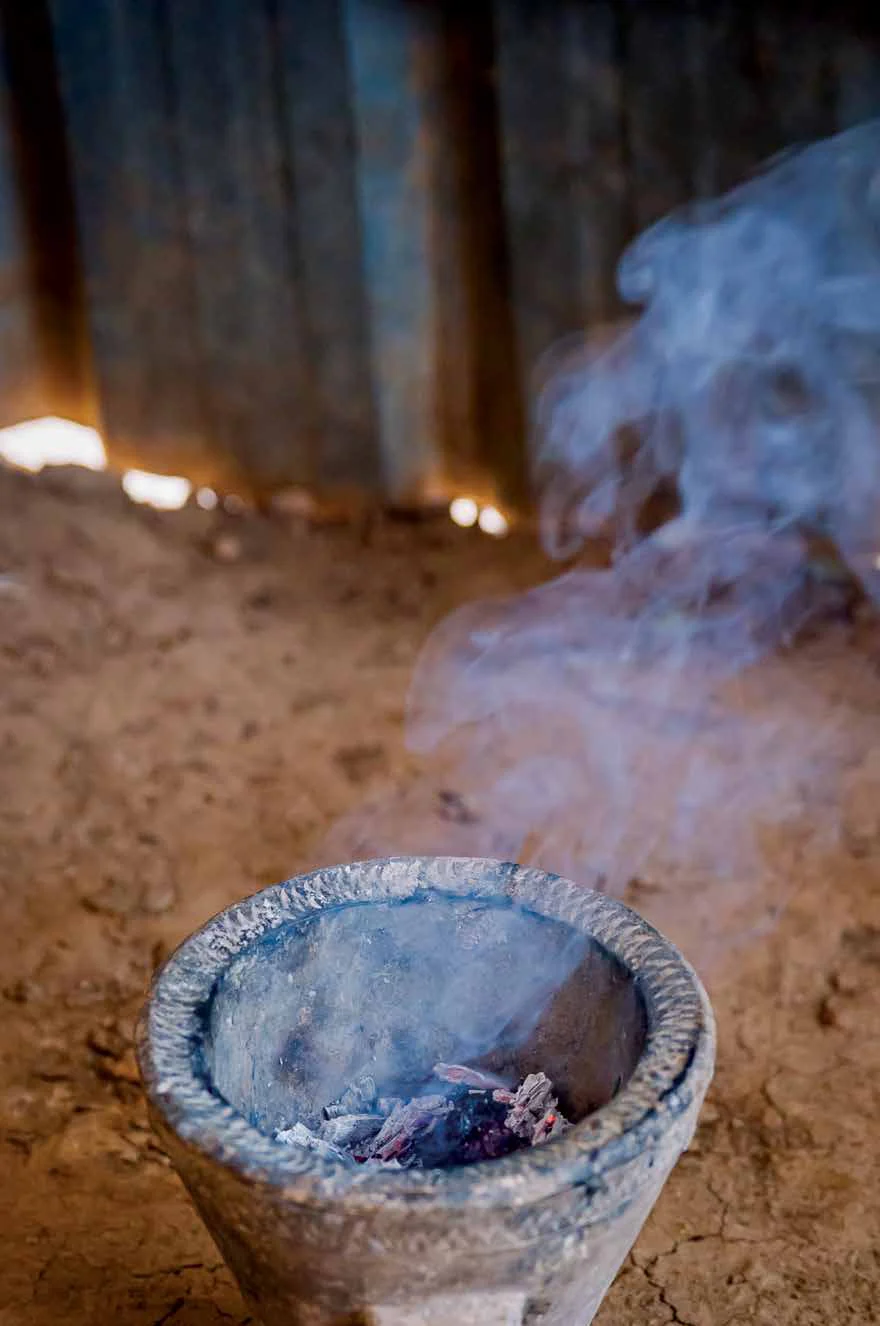
The report also records how myrrh is used: in casts for broken bones, on wounds, in protective amulets for babies and baby camels, in ink for Koran passages and burned at Easter in the Ethiopian Orthodox Church. One community told a story of myrrh burned to make a whale release a swallowed ship.
People
- Anjanette DeCarlo, PhD · FN’24 · Flag carrier and expedition leader
- Julianne Gauron · MN’21 · Team member and photographer
- Stephen Johnson · FI’24 · Team member
- Yeshimebet Ayele Tegenie, PhD · Additional expert
- Abdinasir Abdikadir Aweys · Additional expert
- Dahir Yousef Abdi · Additional expert
- Sam Osborn · Additional expert
Places
- Myrrh study sites, Ethiopia — Country-level placement. The dateline says Amhara Region, while the text names plots at Af Cade, Galayax and Darayo and work south of the Shebelle River as far as Jarati, none of which the Log locates.
Source notes
The dateline gives Amhara Region while the text places the work south of the Shebelle River near the Somali and Oromia borders; the Log does not reconcile these. The team members beyond DeCarlo come from the chapter report on page 28; the issue does not say who among them were in the photo.
Sources
- The Explorers Log, Spring 2026, p. 16–17 · Flag Returns: Return of Flag Nº 136
DeCarlo reports the second season of the myrrh assessment: plots, interviews, resin samples, regeneration findings and cultural uses.
- The Explorers Log, Spring 2026, p. 28 · Compass Points: New England Chapter
Lists Gauron, Johnson and four other experts as part of the January expedition carrying Flag 136.
- The Explorers Journal, Summer 2026, p. 42–55 · Myrrh fieldwork in Ethiopia
The same Flag 136 fieldwork in the Somali Region, with additional named photographic locations at Elkare, Sanqotor and Jigjiga. No new expedition date is supplied.
- The Explorers Log, Fall 2025, p. 15 · Flag Expeditions: recent and current field projects (map)
The map of recent and current projects lists Flag 136 against Anjanette DeCarlo at “Amhara Region, Ethiopia”.
- The Explorers Log, Fall 2025, p. 18 · Flag Expeditions in Brief
The portfolio entry for Flag 136 names Anjanette DeCarlo, gives the dates as December 20, 2025–January 20, 2026 and describes the aims in a short paragraph.
- The Explorers Log, Winter 2025/2026, p. 7 · Flag Expeditions: recent and current field projects (map)
The map of recent and current projects lists Flag 136 against Anjanette DeCarlo at “Amhara Region, Ethiopia”.
- The Explorers Log, Winter 2025/2026, p. 9 · Flag Expeditions in Brief
The portfolio entry for Flag 136 names Anjanette DeCarlo, gives the dates as December 20, 2025–January 20, 2026 and describes the aims in a short paragraph.
Photographs