Lessons from the Gabra
Flag 12 · Fieldwork date not printed; reported Summer 2025
Scharff carried Flag 12 during a week of interviews with Gabra communities about hardship, change and resilience.
Constance Scharff returned to Gabra communities in northern Kenya for the first of ten planned Human Resilience Project expeditions. The team reached Kalacha after a two-day drive and stayed at the Catholic church. Historian Paul Robinson and Gabra elder and translator Wata Guyo Ibrae helped arrange the fieldwork.
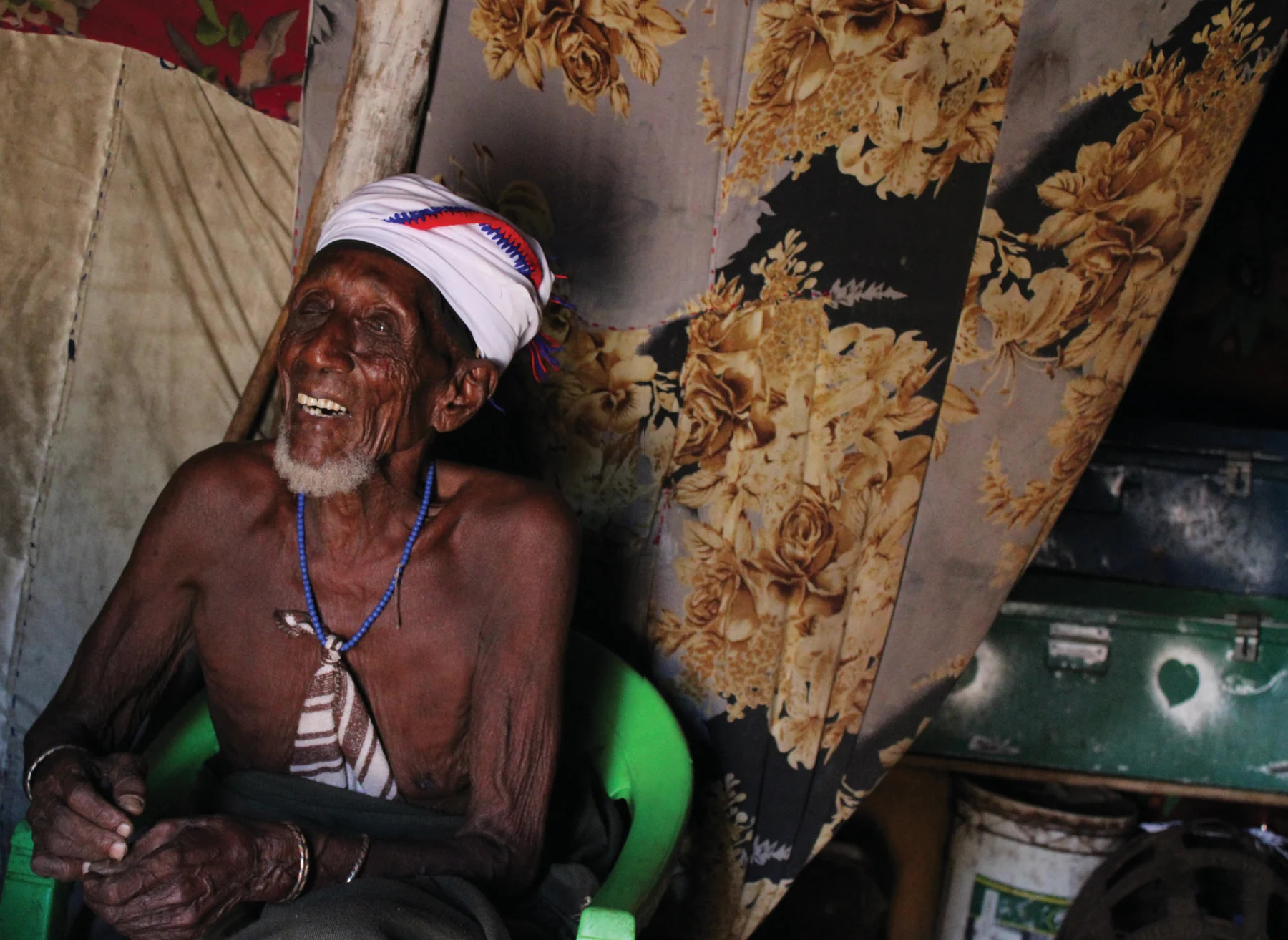
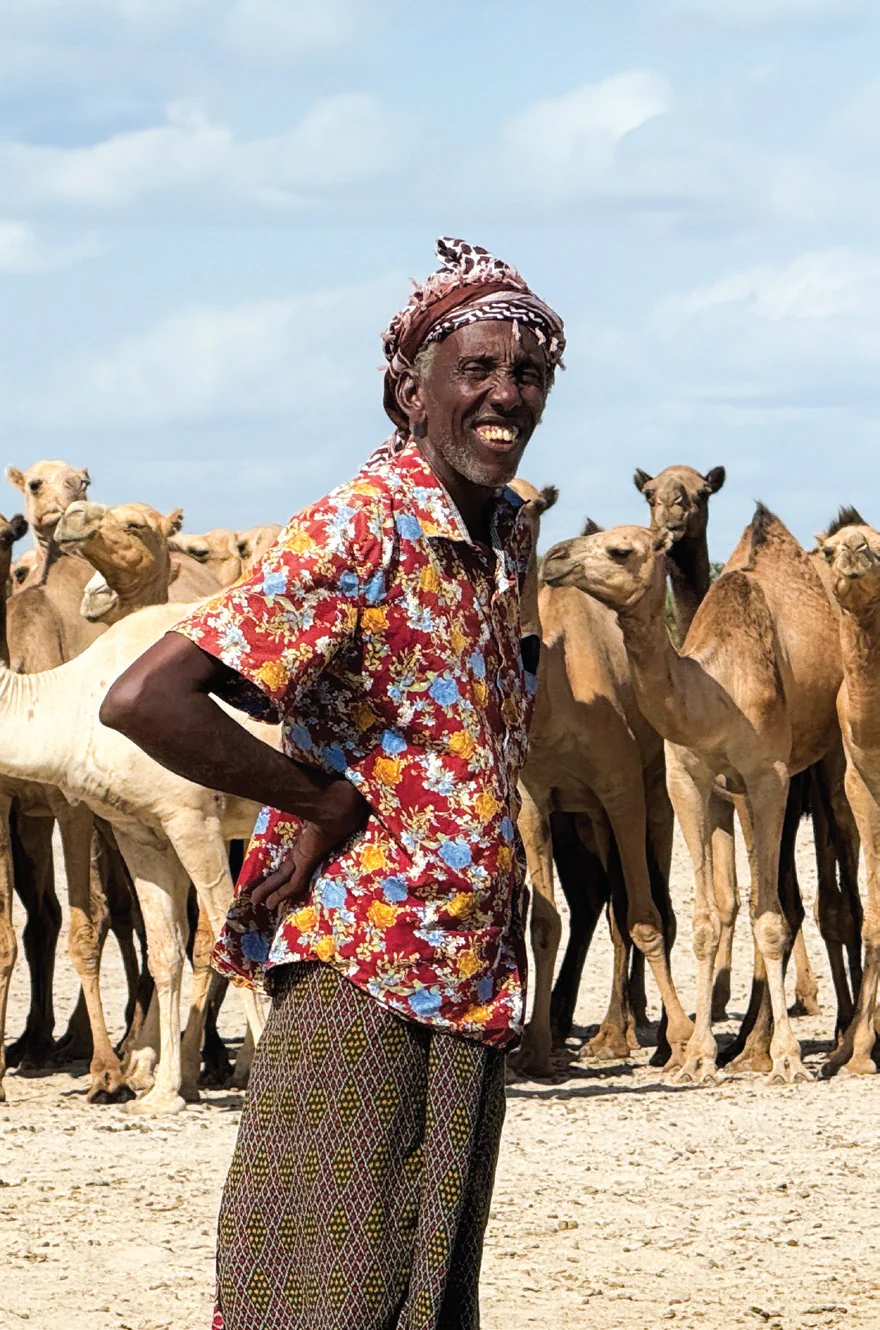
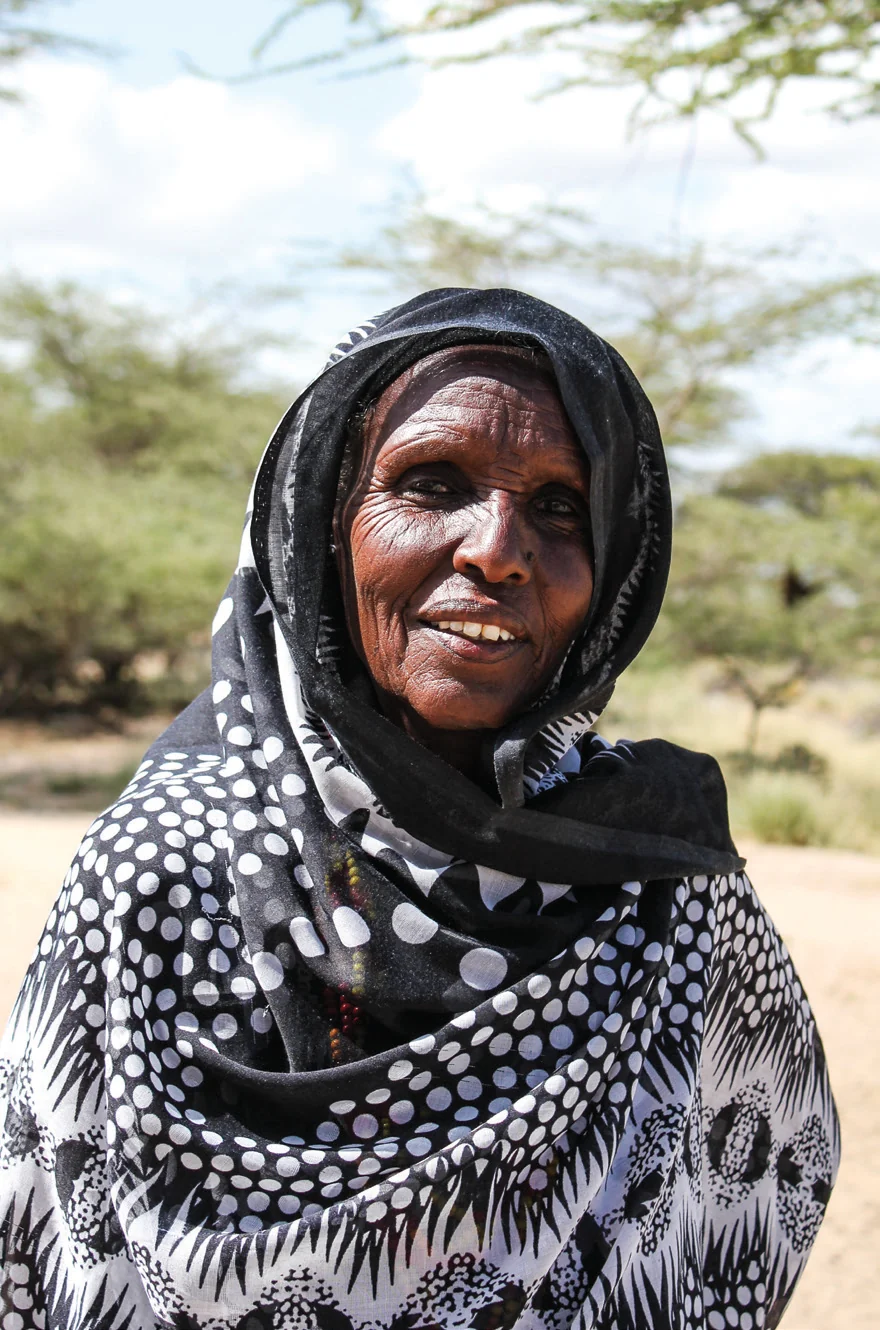
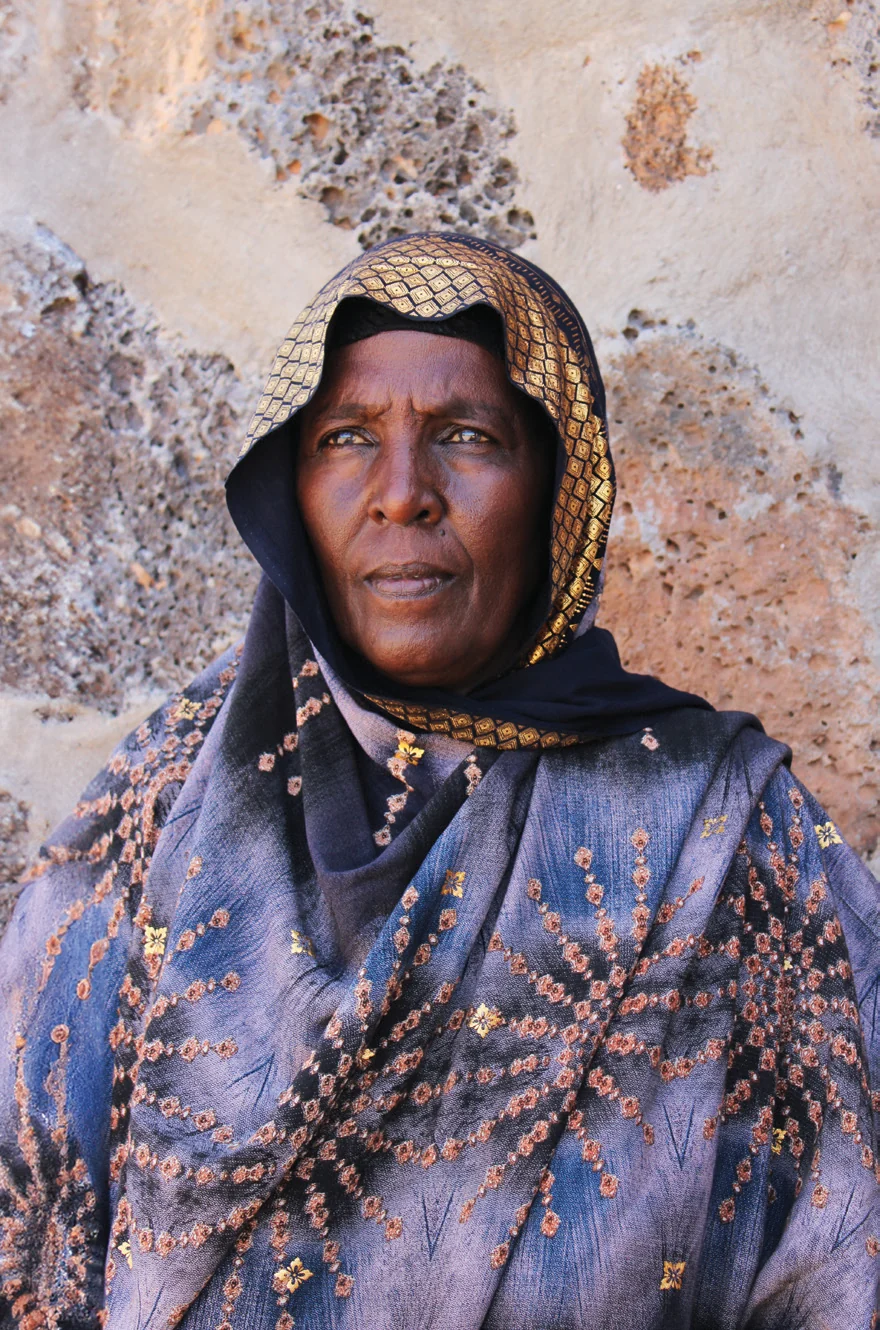
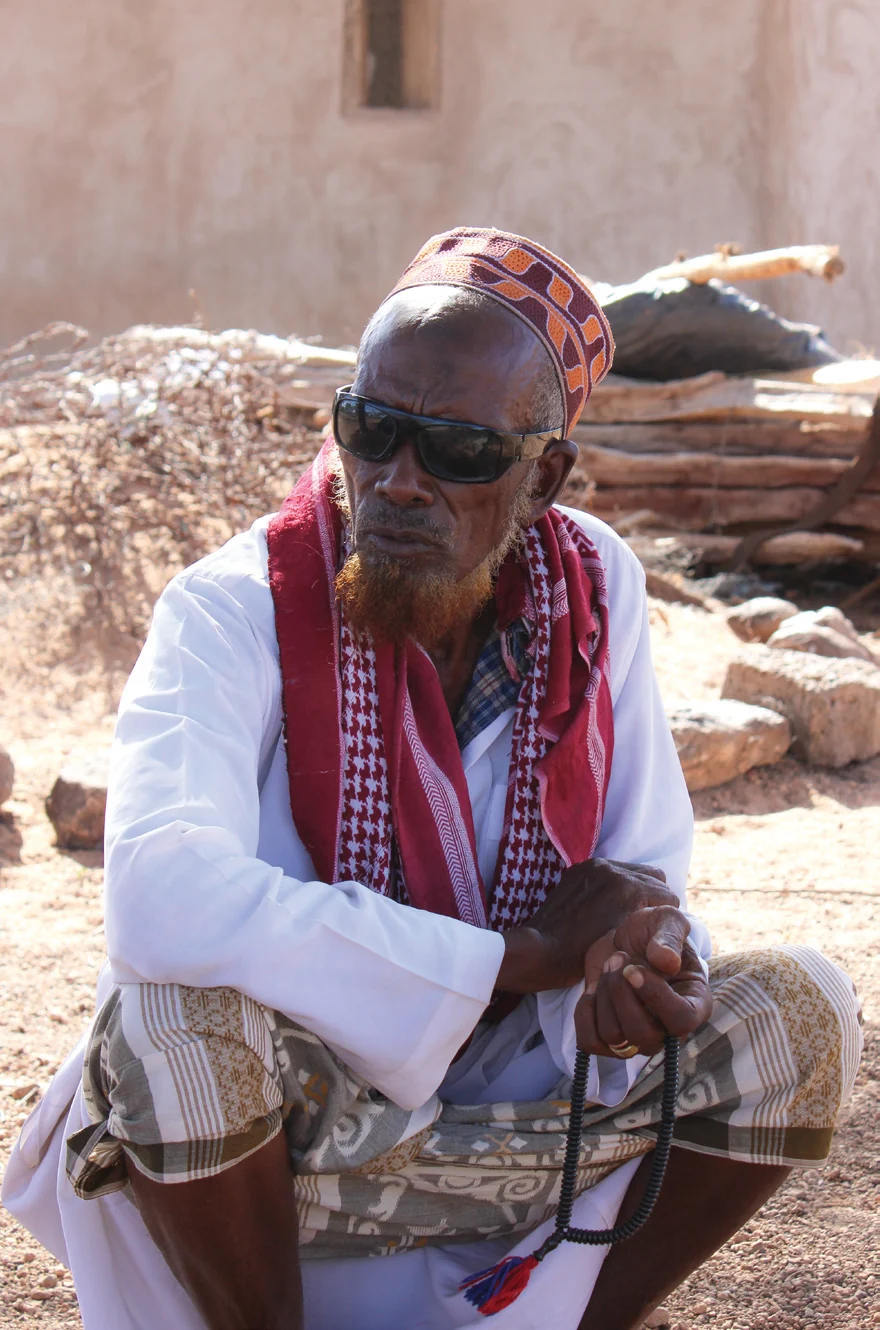
Over one week, the researchers conducted open-ended, semi-structured interviews with six women and five men, aged twenty-five to one hundred, in Kalacha, North Horr and the Hurri Hills. They asked how people sustained hope after losing livestock and moving towards settled ways of life.
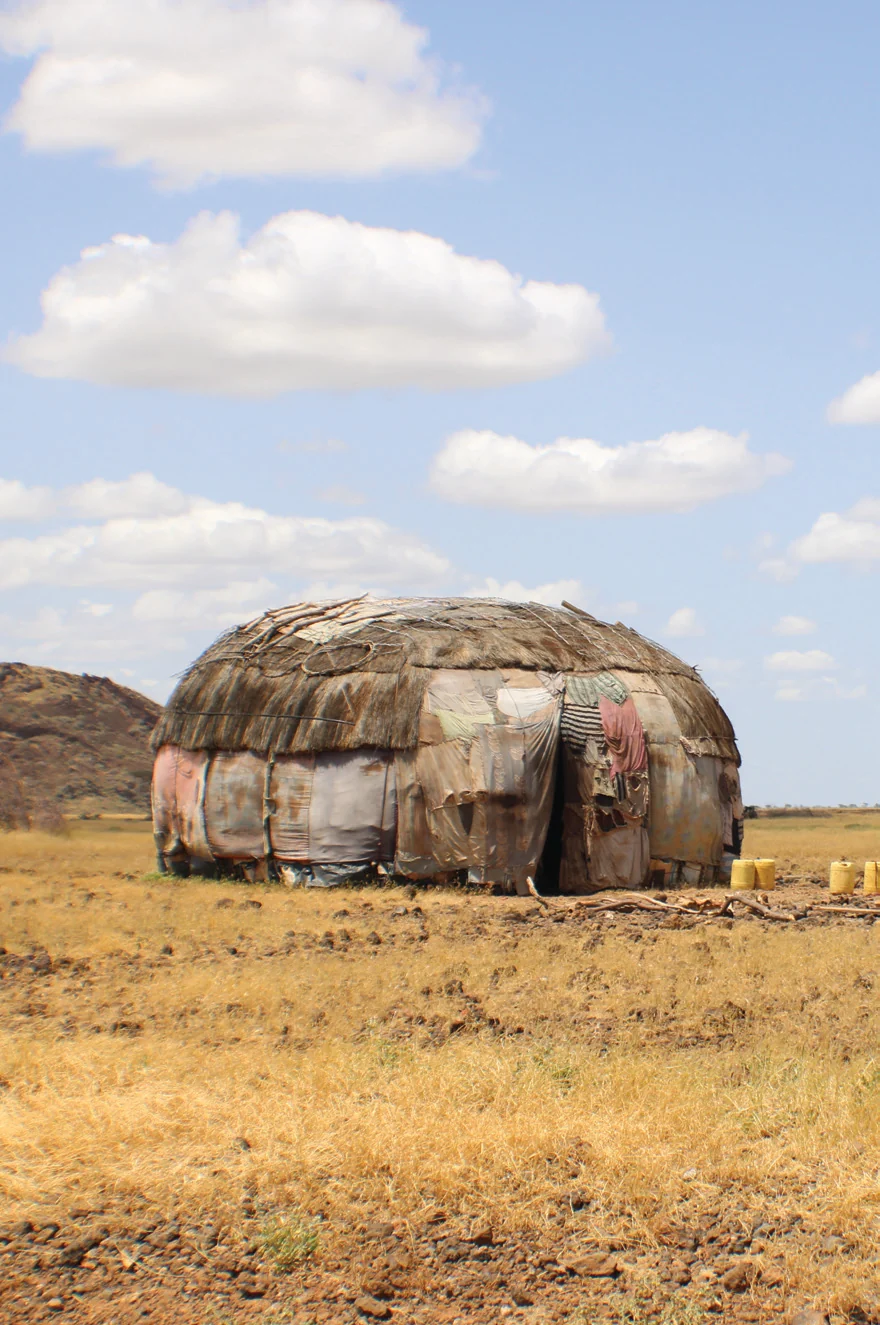
Scharff identifies acceptance of hardship, spiritual practice and reciprocal sharing as themes in the interviews. Her account describes elders mourning earlier ways of life while some younger people and women saw opportunities in schooling and migration. These are the author’s interpretations of this small field study, not universal claims about mental health.
The article explicitly names Flag 12 but does not print a calendar date for the visit. Its reference to thirty-three years since a 1992 visit suggests 2025, which is retained only as a contextual inference rather than an exact expedition date.
People
- Constance Scharff, PhD · Researcher and account author
Places
- Kalacha, Kenya — Approximate editorial placement from the named area; the source prints no coordinates.
- North Horr, Kenya — Approximate editorial placement from the named area; the source prints no coordinates.
- Hurri Hills, Kenya — Approximate editorial placement from the named area; the source prints no coordinates.
Sources
- The Explorers Journal, Summer 2025, p. 52–63 · Lessons from the Gabra
Scharff carried Flag 12 during a week of interviews with Gabra communities about hardship, change and resilience.
Photographs