Peak Pollution: uncovering hidden threats in the Sudirman Range
Flag 114 · September 16 to October 14, 2025
Pullen climbed Puncak Jaya and Sumantri in Papua while sampling glacier meltwater and testing for airborne textile microplastics, finding microplastics common even in meltwater from this remote range.
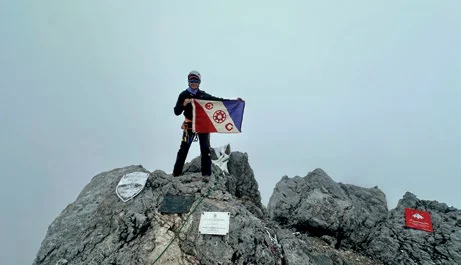
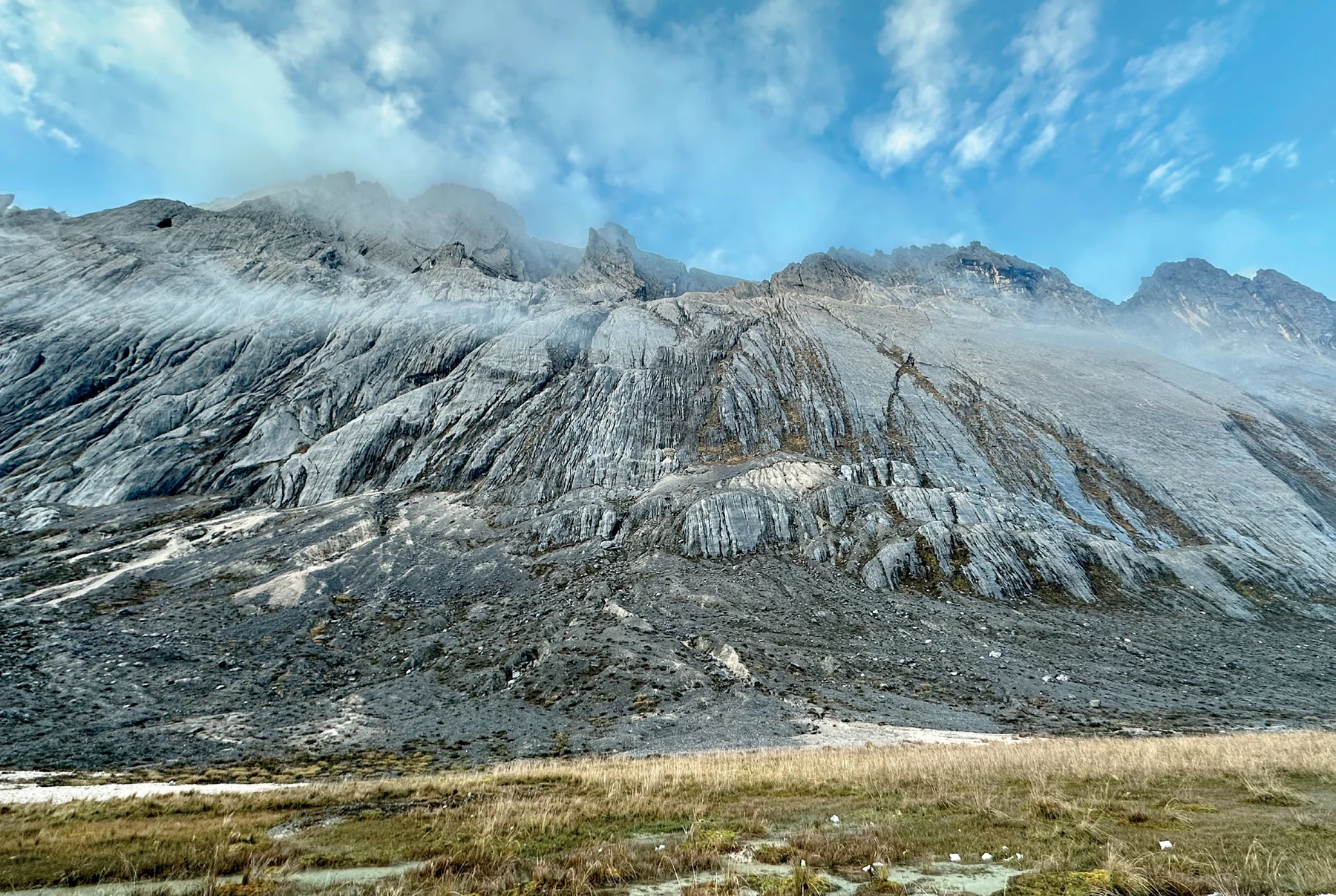
Ashley Pullen’s expedition centred on two peaks of the Sudirman Range in Papua, Indonesia: Puncak Jaya, also called Carstensz Pyramid, the highest island peak in the world at 4,884 metres and widely seen as the most technically demanding of the Seven Summits, and the nearby 4,870-metre Sumantri, the largest glaciated peak in Oceania. The team summited both, working across steep limestone, completing a Tyrolean traverse and coping with fast-changing equatorial weather. The report notes that fewer than 500 people are thought to have climbed Carstensz, fewer than 100 of them women, and fewer than 30 have climbed Sumantri.
Besides the climbing, the trip was a research campaign with Dimitri Deheyn of Scripps. The team collected meltwater from several sites, including high-altitude glaciers, in what the report calls the first known collection of glaciological and microplastic data from this tropical mountain system. The samples were tested for microplastics, microfibers and mineral dust, which can darken glacier surfaces and speed melt, adding evidence that airborne pollution travels the globe and settles even in remote alpine places.
A pilot study also looked at breathing in microplastics at altitude, since modern climbing gear is mostly synthetic and sheds fibres, which climbers can inhale when breathing hard in strong wind. Microplastics were abundant in the meltwater, probably laid down by snowfall and released in melting, in line with research elsewhere showing higher concentrations at greater elevations. The pilot study also found elevated levels in saliva samples, suggesting inhalation of fibres from both the air and clothing and giving a basis for more research.
Access to the range is limited and has been rare in recent decades because of political instability and strict permits, and the expedition worked in a short government-approved window. It is part of a multiyear partnership with Scripps, and future climbs on Mont Blanc and Mount Vinson are meant to extend the study of microplastic exposure at high altitude.
People
- Ashley Pullen · MR’21 · Flag carrier and expedition leader
- Dimitri Deheyn, PhD · FN’17 · Scientific partner
Places
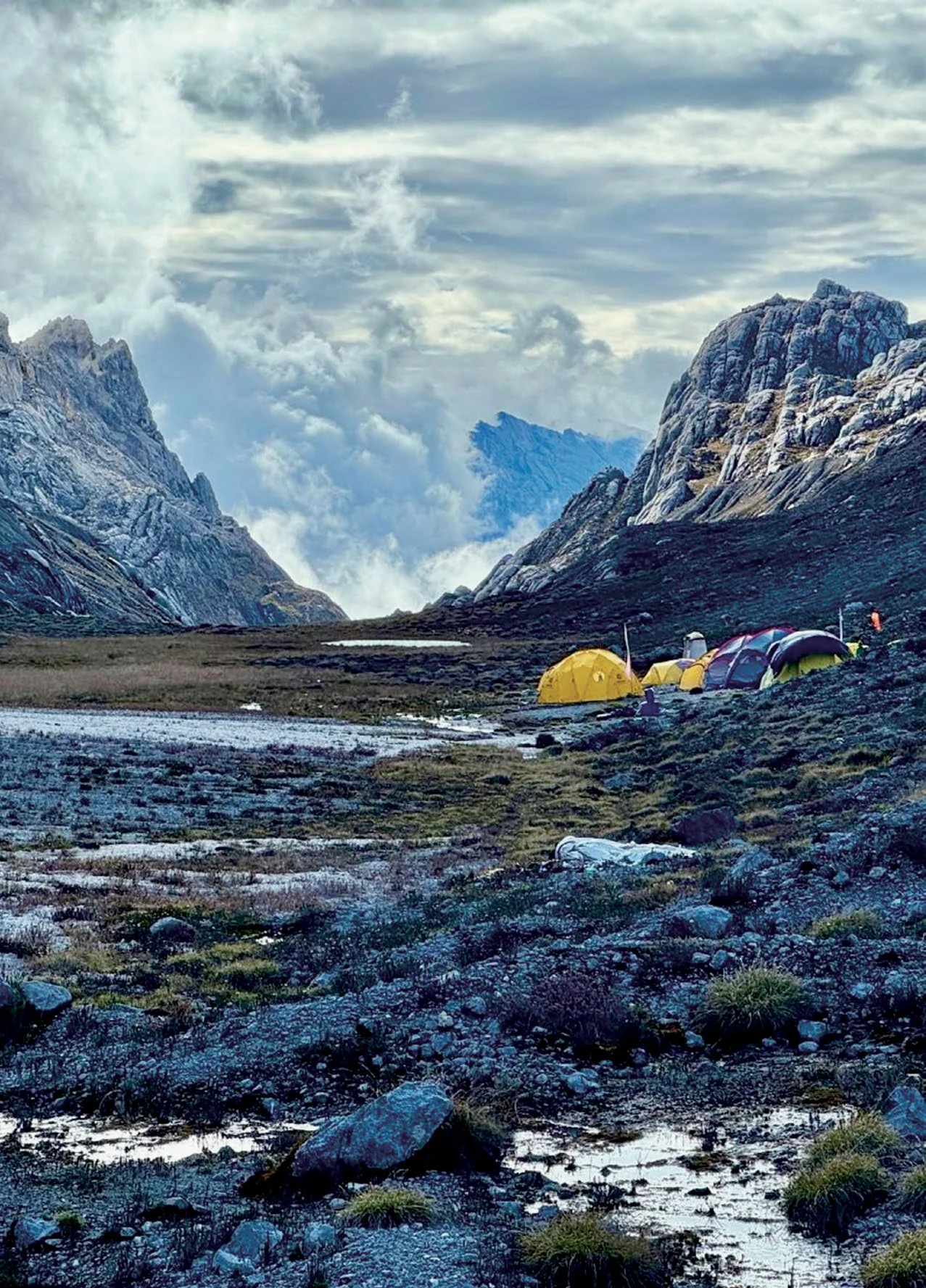
- Yellow Valley basecamp, Sudirman Range, Papua — High-altitude basecamp at 4,176 metres; the Log gives no coordinates.
- Puncak Jaya (Carstensz Pyramid)
- Sumantri — Placed beside Puncak Jaya; the Log gives no coordinates.
Source notes
Also reported in the Spring 2026 Log (page 28). This issue describes Deheyn as of Scripps Institution of Oceanography at the University of California San Diego; the Spring Log gives only Scripps.
Sources
- The Explorers Log, Summer 2026, p. 22–25 · Flag Returns: Return of Flag Nº 114
Pullen reports the two summits, the meltwater and saliva sampling with Deheyn, the findings and the multiyear plan.
- The Explorers Log, Fall 2025, p. 15 · Flag Expeditions: recent and current field projects (map)
The map of recent and current projects lists Flag 114 against Ashley Pullen at “Papua Province, Indonesia”.
- The Explorers Log, Fall 2025, p. 17 · Flag Expeditions in Brief
The portfolio entry for Flag 114 names Ashley Pullen, gives the dates as September 16–October 14, 2025 and describes the aims in a short paragraph.
- The Explorers Log, Winter 2025/2026, p. 7 · Flag Expeditions: recent and current field projects (map)
The map of recent and current projects lists Flag 114 against Ashley Pullen at “Papua Province, Indonesia”.
- The Explorers Log, Winter 2025/2026, p. 8 · Flag Expeditions in Brief
The portfolio entry for Flag 114 names Ashley Pullen, gives the dates as September 16–October 14, 2025 and describes the aims in a short paragraph.
- The Explorers Log, Spring 2026, p. 28 · Compass Points: New England Chapter
Reports Pullen’s two summits, the first-known samples collected with Deheyn, the microplastics pilot study and the flag’s 30th outing.
- The Explorers Log, Spring 2026, p. 14 · Flag Expeditions in Brief: back from the field
A short entry gives September 16 to October 14, 2025 and the research aims for Flag 114.
Photographs